Comparing Probiotic Supplements vs. Probiotic-Rich Foods While Breastfeeding
For new moms navigating the journey of breastfeeding, maintaining optimal gut health is often a priority. Probiotics, known for their beneficial impact on digestive and immune systems, have become a popular choice. But when it comes to getting probiotics during breastfeeding, many wonder: is it better to take probiotic supplements or rely on probiotic-rich foods? If you’re asking, learn from Mama’s Select about can i take a probiotic while breastfeeding to understand the safest and most effective options.
Understanding Probiotics and Their Benefits While Breastfeeding
Probiotics are live microorganisms that, when consumed in adequate amounts, offer health benefits primarily by supporting the balance of gut microbiota. For breastfeeding mothers, maintaining this balance is crucial not only for their own digestive and immune health but also because their microbiome can influence their baby’s developing immune system through breast milk.
Breast milk itself contains natural prebiotics and probiotics that help establish beneficial gut flora in infants. Therefore, ensuring a healthy maternal microbiome can positively impact both mom and baby.
Probiotic Supplements: Convenience and Concentration
Probiotic supplements are formulated to deliver specific strains of bacteria in concentrated doses. For breastfeeding moms, supplements offer several advantages:
- Targeted Strains: Many probiotic supplements include strains like Lactobacillus and Bifidobacterium, which research suggests may support maternal and infant health.
- Consistent Dosage: Supplements provide a known quantity of probiotics, making it easier to monitor intake.
- Convenience: Taking a pill or powder can be simpler for busy moms than preparing probiotic-rich meals daily.
However, not all supplements are created equal. Quality, strain diversity, and survivability through the digestive tract vary widely. Consulting healthcare professionals and trusted resources is essential before starting any probiotic regimen while breastfeeding.
Probiotic-Rich Foods: Natural and Nutrient-Dense
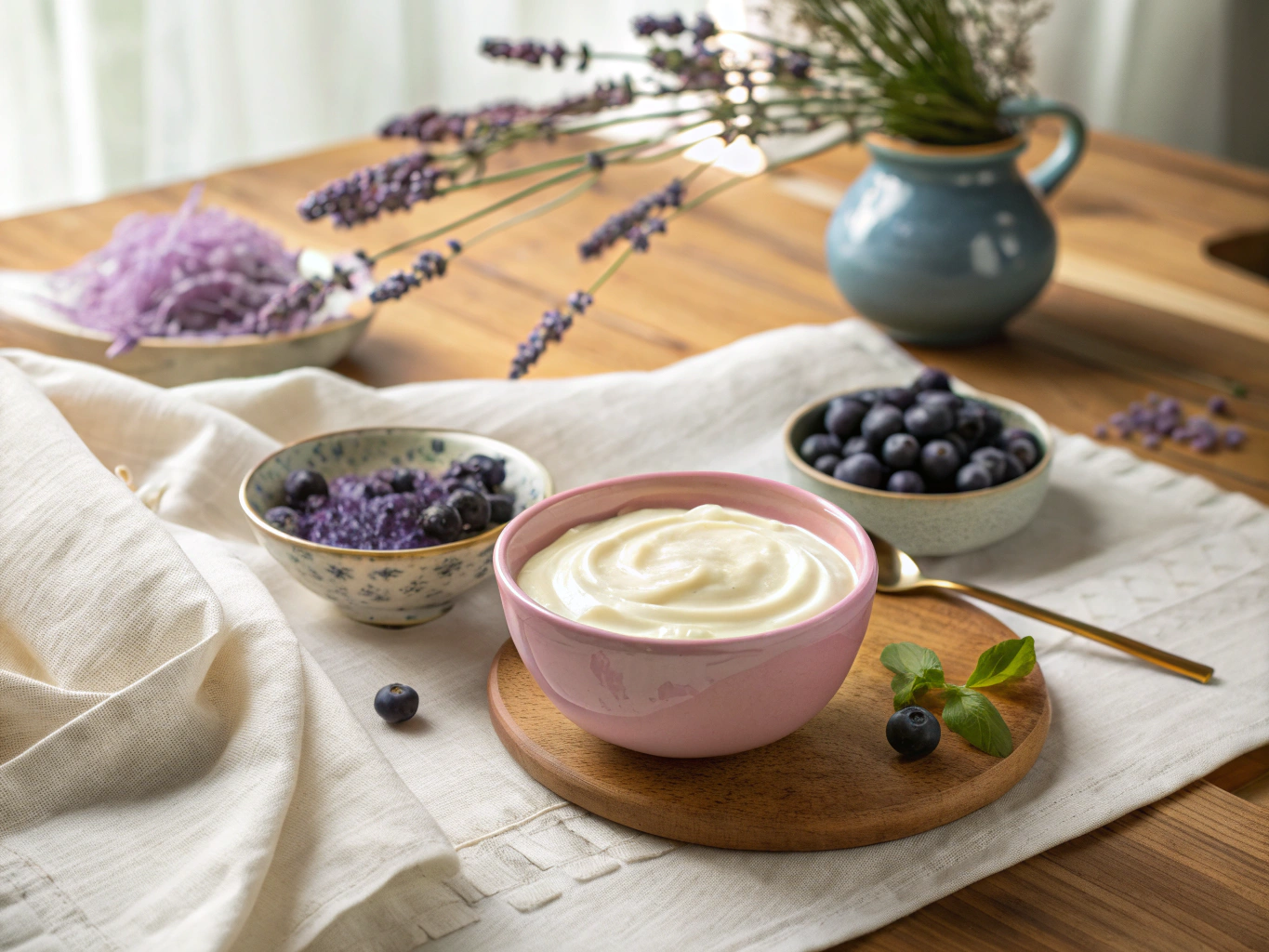
Probiotic-rich foods include fermented options such as yogurt, kefir, sauerkraut, kimchi, miso, and kombucha. These foods offer probiotics naturally embedded within a nutrient-dense matrix, providing additional vitamins, minerals, and antioxidants. Benefits of probiotic foods include:
- Whole Food Nutrition: Alongside probiotics, you get beneficial nutrients, which support overall health.
- Variety and Flavor: Incorporating diverse fermented foods can add enjoyable flavors and textures to your diet.
- Gentle Introduction: Foods tend to introduce probiotics more gradually and may be easier to tolerate.
That said, probiotic levels in foods can vary due to fermentation time, storage, and preparation. Some fermented foods may also contain higher sodium or sugar levels, which require mindful consumption.
Which Option Is Best While Breastfeeding?
The choice between probiotic supplements and probiotic-rich foods ultimately depends on individual preferences, dietary restrictions, and health goals. For breastfeeding moms seeking convenience and targeted strains, high-quality supplements can be a practical choice. Meanwhile, those who prefer natural food sources and holistic nutrition may benefit from incorporating fermented foods into their diet.
Importantly, always consult your healthcare provider before beginning probiotics to ensure safety for both you and your baby. Probiotics are generally considered safe during breastfeeding, but professional guidance helps tailor the best approach for your unique needs.
To dive deeper into how to safely incorporate probiotics during this special time and to find trusted product recommendations, learn from Mama’s Select about can i take a probiotic while breastfeeding.
Final Thoughts
Both probiotic supplements and probiotic-rich foods offer valuable benefits to breastfeeding mothers. Considering factors such as convenience, dietary preferences, and strain specificity will help you decide which option aligns best with your lifestyle. Ultimately, nurturing your gut health supports your wellbeing and contributes positively to your baby’s development during breastfeeding.
Leave a Reply