Category: Blog

Your blog category

  • How to Care for and Store Your 60s Wear Costumes

    How to Care for and Store Your 60s Wear Costumes

    How to Care for and Store Your 60s Wear Costumes

    Whether you’re a vintage enthusiast or prepping for a themed party, owning authentic 60s wear costumes is a fantastic way to celebrate an iconic era. These outfits, known for their bold patterns, psychedelic colors, and unique fabrics, require special attention to ensure they remain in pristine condition. Proper care and storage not only preserve the visual appeal but also extend the life of your treasured garments.

    Understanding the Fabric and Details of 60s Wear

    Before diving into care routines, it’s essential to recognize the materials commonly used in 60s wear costumes. Many feature synthetic fabrics like polyester, nylon, and acrylic, which were popular at the time for their durability and vibrant hues. Some costumes may also incorporate delicate lace, metallic threads, or intricate beading that demands gentle handling.

    Knowing the fabric type helps determine the best cleaning method and storage approach. Always check any tags or manufacturer instructions if available, especially for replica or modern reproductions designed to mimic 60s styles.

    Cleaning Your 60s Wear Costumes

    Cleaning 60s costumes requires a delicate touch. Hand washing is generally the safest method, especially for pieces with embellishments or mixed materials. Use cold water and a mild detergent formulated for delicate fabrics. Avoid bleach or harsh chemicals that can strip colors or damage fibers.

    For stubborn stains, spot treat with a gentle stain remover, testing a small hidden area first to ensure it won’t cause discoloration. After washing, rinse thoroughly to remove all soap residue.

    Drying should be done naturally by laying the costume flat on a clean towel away from direct sunlight, which can fade colors. Avoid wringing or twisting the fabric to prevent distortion.

    Proper Storage Techniques for Longevity

    Storing your 60s wear costumes correctly is just as important as cleaning. Here are some tips to keep your outfits looking fresh and vibrant over time:

    • Use padded hangers: For dresses, jackets, or tops, padded hangers help maintain shape without stretching the fabric or creating hanger marks.
    • Garment bags: Store costumes in breathable garment bags made from cotton or muslin to protect from dust and pests while allowing airflow.
    • Avoid plastic containers: Plastic can trap moisture leading to mildew and yellowing. If using boxes, opt for acid-free archival boxes designed for clothing storage.
    • Fold delicate pieces carefully: For items that can’t hang, fold them with acid-free tissue paper between layers to prevent creasing and fabric abrasion.
    • Climate control: Keep your storage area cool, dry, and dark. High humidity and heat can accelerate fabric deterioration and encourage mold growth.
    • Pest prevention: Use natural repellents like cedar blocks or lavender sachets to deter moths and insects without harsh chemicals that could damage fabric.

    Regular Maintenance and Inspection

    Even with careful storage, it’s wise to inspect your 60s wear costumes periodically. Look for signs of discoloration, fabric weakening, or insect damage. Refold garments occasionally to avoid permanent creases, and air them out in a shaded, ventilated space to prevent mustiness.

    If you notice any issues, address them promptly. Small repairs, such as re-stitching seams or replacing missing buttons, can prevent further damage and keep your costumes ready for their next wear.

    Final Thoughts

    Owning 60s wear costumes is a joyful way to connect with a vibrant decade of fashion history. By understanding your costume’s fabrics and applying careful cleaning and storage techniques, you ensure these iconic pieces remain eye-catching and wearable for many years. Treat your 60s wear with the care it deserves, and it will continue to bring groovy vibes to every event.


  • Does Knowing Where Ridge Wallets Are Made Affect Buying Decisions?

    Does Knowing Where Ridge Wallets Are Made Affect Buying Decisions?

    Customer Perceptions: Does Knowing Where Ridge Wallets Are Made Influence Buying Decisions?

    When it comes to purchasing everyday carry items like wallets, many consumers find themselves curious about the origins of the products they choose. The question “where are Ridge wallets made?” has become increasingly relevant, as buyers weigh factors such as quality, craftsmanship, and ethical manufacturing practices. Understanding how the place of manufacture impacts customer perception can shed light on modern purchasing behaviors.

    For those interested in a deeper dive, Bull Guard discusses where are ridge wallets made in detail, providing an insightful overview of the brand’s production background and its influence on consumer confidence.

    Why Does Manufacturing Origin Matter to Customers?

    In today’s globalized marketplace, many products are manufactured far from where they are sold. This can create uncertainty about quality and ethical standards. For wallets, which are both functional and fashion statements, customers often associate the place of manufacture with craftsmanship and durability. A wallet made in countries renowned for leatherworking or precision manufacturing might be perceived as more trustworthy or valuable.

    Additionally, ethical considerations such as fair labor practices and environmental sustainability are increasingly important. Buyers who research where Ridge wallets are made may factor in whether the production aligns with their values, influencing their decision to purchase or avoid a brand.

    Impact on Brand Loyalty and Trust

    Transparency about manufacturing origins can foster trust. Brands that openly share where their wallets are made — including details about factory conditions, material sourcing, and quality control — often gain a competitive edge. Consumers feel reassured when they know that a product’s origins meet certain standards, which can translate to stronger brand loyalty.

    Conversely, a lack of information or ambiguous answers concerning manufacturing locations may raise doubts. When customers cannot verify where a Ridge wallet is made, they might hesitate, especially if they have had negative experiences with similar products in the past.

    Does Knowing Where Ridge Wallets Are Made Influence Price Sensitivity?

    Price and origin are closely linked in the minds of many buyers. A wallet made domestically or in countries with higher labor costs is often expected to command a premium price. Some customers are willing to pay more because they equate this with higher quality or ethical production. Others may prioritize affordability over origin, especially if the product meets functional needs.

    Understanding the manufacturing location helps customers balance price against perceived value. For Ridge wallets, clarity about their production sites allows shoppers to make informed choices, reducing buyer’s remorse and increasing satisfaction.

    Conclusion: The Growing Role of Transparency

    As consumers become more informed and conscientious, knowing where Ridge wallets are made plays a significant role in shaping buying decisions. Transparency about manufacturing not only influences perceptions of quality and ethics but also affects trust, brand loyalty, and price expectations. Brands that embrace openness about their production processes are more likely to resonate with today’s discerning customers.

    For those eager to learn more about Ridge wallets’ origins and what it means for buyers, the detailed insights at Bull Guard discusses where are ridge wallets made in detail offer valuable context to guide smarter purchasing choices.

  • How to Store and Reheat Bone Broth for Peak Flavor & Nutrition

    How to Store and Reheat Bone Broth for Peak Flavor & Nutrition

    How to Store and Reheat Bone Broth for Maximum Flavor and Nutrition

    Bone broth has surged in popularity for its rich flavor and impressive nutritional benefits. If you’re looking to get the most out of your homemade or store-bought broth, knowing how to properly store and reheat it is essential. For those searching for top-quality options, Gourmend Foods best bones broth offers a great benchmark in terms of flavor and nutrient density.

    Why Proper Storage Matters for Bone Broth

    Bone broth is packed with collagen, amino acids, minerals, and gelatin, all of which contribute to its health benefits. Improper storage can lead to nutrient degradation, off-flavors, or even spoilage. To maintain its full spectrum of benefits, you want to minimize exposure to air, moisture, and temperature fluctuations.

    Refrigeration Tips

    • Cool Quickly: After making or opening bone broth, allow it to cool to room temperature within two hours before refrigerating to prevent bacteria growth.
    • Use Airtight Containers: Transfer broth into glass or BPA-free plastic containers with tight-fitting lids. Mason jars are a popular choice for this.
    • Storage Duration: Properly refrigerated bone broth will stay fresh for up to 4-5 days.

    Freezing Bone Broth

    For longer storage, freezing is the best option. Portion your broth into ice cube trays or small containers to make thawing and reheating easier and reduce waste.

    • Leave Headspace: Liquids expand when frozen, so leave about an inch of space at the top of containers.
    • Label and Date: Always label your containers with the date to keep track of freshness.
    • Freezer Life: Bone broth can be safely frozen for up to 6 months without significant loss of flavor or nutrients.

    How to Reheat Bone Broth Without Losing Quality

    Reheating bone broth properly ensures you retain its rich taste and nutritional value. Here are some tips to keep in mind when warming up your broth:

    Gentle Heating

    • Use Low to Medium Heat: Heat the broth slowly on the stove to avoid scorching or boiling off delicate flavors and nutrients.
    • Avoid Microwaving When Possible: While convenient, microwaving can heat unevenly and degrade some nutrients. If microwaving, use short intervals and stir frequently.

    Do Not Boil

    Boiling bone broth can break down gelatin and diminish its silky mouthfeel and nutritional profile. Aim to warm it just until steaming hot.

    Stir Before Serving

    Gelatin-rich bone broth can separate or thicken when cooled. Give it a good stir or gentle whisk to restore its smooth texture before enjoying.

    Additional Tips for Maximum Benefit

    • Use Fresh, Quality Bones: Starting with high-quality bones, like those recommended in the Gourmend Foods best bones broth guide, ensures a richer nutrient profile and better flavor.
    • Strain Before Storage: Remove solids to prevent spoilage and a cloudy broth.
    • Consume Within Recommended Timeframes: Don’t let your broth sit too long, even in the fridge or freezer, to avoid flavor loss and bacterial growth.

    By following these storage and reheating guidelines, you’ll maximize the delicious flavor and nutritional power of your bone broth with every cup. Whether homemade or store-bought, well-preserved broth can be a nourishing staple in your kitchen for soups, stews, or sipping on its own.

  • The Science Behind Chalk and Its Role in Weightlifting

    The Science Behind Chalk and Its Role in Weightlifting

    The Science Behind Chalk and Its Importance in Weightlifting Performance

    Weightlifting is a sport where grip strength and control are paramount. Athletes constantly seek ways to improve their hold on the barbell, ensuring safety and maximizing performance. One of the most essential tools in this quest is chalk, a simple yet highly effective substance that has been a staple in the world of weightlifting for decades. For those serious about their lifting, pairing chalk with the best weightlifting gear can make a significant difference in training outcomes.

    What Is Chalk and How Does It Work?

    Chalk used in weightlifting is typically magnesium carbonate, a white powder that athletes apply to their hands before lifts. Its primary function is to absorb moisture—namely sweat—from the skin, which can otherwise cause the hands to slip during lifts. But chalk’s role goes beyond just drying the hands; it also improves friction between the lifter’s skin and the bar, enhancing grip security.

    The Science of Grip Enhancement

    Grip performance depends on friction, which is the resistance to sliding motion between two surfaces—in this case, the lifter’s hands and the barbell. When hands are sweaty, the moisture acts as a lubricant, drastically reducing friction and increasing the risk of slippage. Magnesium carbonate has a porous structure that absorbs sweat efficiently, keeping the skin drier and the contact surface more stable.

    Moreover, chalk slightly increases the surface roughness of the skin, which further boosts friction. This dual action of moisture absorption and surface texture modification allows weightlifters to maintain a firm, reliable grip, even when handling heavy loads.

    The Importance of Chalk in Weightlifting Performance

    While it may seem like a small accessory, chalk plays a vital role in performance and safety. A secure grip allows athletes to focus fully on technique and power output rather than worrying about the bar slipping. This confidence often translates into better lifts, personal records, and reduced injury risk.

    Enhanced Safety and Injury Prevention

    Slipping hands can lead to dropped weights or improper bar path, increasing the likelihood of injury to the lifter or others nearby. Chalk mitigates these risks by providing a more predictable grip. This is especially critical during complex lifts such as the snatch or clean and jerk, where precision and control are essential.

    Maximizing Your Weightlifting Gear

    Chalk is just one component of effective weightlifting gear. Combining chalk with quality lifting straps, gloves, or wrist wraps can optimize grip and support further. Choosing the best weightlifting gear tailored to your needs helps create a comprehensive setup that elevates your performance and safety.

    Types of Chalk and Application Tips

    Weightlifters typically use chalk in block, powdered, or liquid forms. Block chalk is the traditional choice, allowing athletes to rub their hands directly on the solid form. Powdered chalk offers quick application but can create dust, which some facilities restrict. Liquid chalk, a blend of chalk and alcohol, dries quickly and reduces mess, making it ideal for gyms with chalk bans.

    For optimal use, apply chalk evenly across the palms and fingers, avoiding excess that can cause clumping. Reapplying between sets ensures consistent grip quality throughout a workout.

    Conclusion

    Chalk is more than just a dusty mess on weightlifters’ hands—it’s a scientifically backed tool that enhances grip, boosts confidence, and safeguards against injury. Integrating chalk into your routine, alongside the best weightlifting gear, equips you with the essentials to push your limits safely and effectively. Whether you’re a beginner or an elite lifter, understanding and utilizing chalk can be a game-changer in your weightlifting journey.

  • Best Cat Foods and Supplements for Healthy Digestion

    Best Cat Foods and Supplements for Healthy Digestion

    Best Cat Foods and Supplements to Promote Healthy Digestion

    Ensuring your cat’s digestive health is essential for their overall well-being. Digestive issues like constipation can be uncomfortable and even dangerous if left untreated. Fortunately, the right diet and supplements can make a significant difference. If you’re curious about how to help a constipated cat, the ultimate how to help a constipated cat guide by Best Life 4 Pets is an excellent resource to get started on understanding the causes and remedies.

    Choosing the Best Cat Foods for Digestive Health

    Diet plays a pivotal role in maintaining a cat’s digestive system. Cats are obligate carnivores, meaning their diet should be rich in animal proteins while including the right amount of fiber to aid digestion. Here are some top food choices to consider:

    1. High-Quality Wet Food

    Wet cat food is often recommended for digestive health because it helps increase hydration, which is critical for preventing constipation. Look for wet foods that contain easily digestible proteins like chicken, turkey, or fish, and avoid fillers such as corn or soy that can irritate the digestive tract.

    2. Fiber-Enhanced Diets

    Fiber helps regulate bowel movements by adding bulk and promoting healthy gut motility. Some cat foods are specially formulated with added fiber from sources like pumpkin, beet pulp, or psyllium husk. These ingredients can be very effective in supporting regular digestion.

    3. Limited Ingredient Diets (LID)

    For cats with sensitive stomachs or food allergies, limited ingredient diets can reduce digestive stress. These diets minimize the number of components in the food, making it easier to identify and eliminate irritants.

    Supplements to Support Your Cat’s Digestion

    Supplements can be a valuable addition to your cat’s diet, especially if they are prone to digestive issues. Here are some of the best options:

    1. Probiotics

    Probiotics are beneficial bacteria that help balance the gut flora, improving digestion and nutrient absorption. They can reduce symptoms of constipation, diarrhea, and gas. Look for probiotic supplements specifically formulated for cats, which often come in powder, capsule, or liquid form.

    2. Digestive Enzymes

    Digestive enzymes aid in breaking down food more efficiently, ensuring your cat gets the maximum nutrition from their meals. These supplements can be especially helpful for older cats or those with pancreatic insufficiency.

    3. Omega-3 Fatty Acids

    While primarily known for their anti-inflammatory benefits, omega-3 fatty acids also promote a healthy gut lining, which can improve overall digestion. Fish oil supplements are a popular source and can be added to your cat’s diet after consulting with your vet.

    Additional Tips to Promote Digestive Health

    • Hydration: Always provide fresh water. Cats are notorious for not drinking enough, so consider a pet water fountain to encourage intake.
    • Regular Exercise: Activity stimulates the digestive tract and helps prevent constipation.
    • Monitor and Adjust: Observe your cat’s bowel habits and consult your veterinarian if you notice persistent issues.

    Maintaining your cat’s digestive health is an ongoing process that combines proper diet, supplements, hydration, and care. If your feline friend is struggling with constipation or other digestive issues, exploring dietary changes alongside trusted resources like the ultimate how to help a constipated cat guide by Best Life 4 Pets will help you take confident steps toward improving their comfort and health.

  • Breast Probiotics: Frequently Asked Questions Answered

    Breast Probiotics: Frequently Asked Questions Answered

    Frequently Asked Questions About Breast Probiotics Answered

    Breast probiotics are gaining attention for their potential benefits in supporting the health of breastfeeding mothers and their babies. If you’re curious about what breast probiotics are, how they work, and whether they are right for you, this article will answer some of the most frequently asked questions. For detailed insights on choosing the right products, be sure to check out insights from Mama’s Select on breast probiotic use.

    What Are Breast Probiotics?

    Breast probiotics are specialized probiotic strains designed to support the microbiome of the breast and breastfeeding mother. Unlike general probiotics, which focus primarily on gut health, breast probiotics aim to maintain a healthy balance of bacteria within the breast tissue and milk ducts, which can influence both maternal health and the quality of breast milk.

    How Do Breast Probiotics Benefit Breastfeeding Moms?

    Breastfeeding can sometimes lead to challenges such as mastitis, blocked milk ducts, or infections caused by harmful bacteria. Breast probiotics help by promoting beneficial bacteria that may reduce inflammation and fight off infections naturally. Additionally, a balanced breast microbiome can contribute to better milk quality, potentially supporting the infant’s developing immune system.

    Are Breast Probiotics Safe for Nursing Mothers and Babies?

    Yes, when taken as recommended, breast probiotics are generally considered safe for both mothers and their infants. The strains used in breast probiotic supplements are carefully selected for their safety and efficacy. However, it is always best to consult with a healthcare provider before starting any new supplement during breastfeeding to ensure it fits your individual health needs.

    Can Breast Probiotics Help Prevent or Treat Mastitis?

    Research has shown promising results indicating that certain probiotic strains can help prevent and even treat mastitis, an inflammatory condition of the breast commonly caused by bacterial infection. By encouraging the growth of beneficial bacteria, breast probiotics may reduce the risk of harmful bacteria overgrowth, which contributes to mastitis symptoms.

    How Should Breast Probiotics Be Taken?

    Breast probiotics are typically available in capsule or powder form and are taken orally. Consistency is key; most healthcare professionals recommend daily intake to maintain a balanced microbiome. Some products are specifically formulated for breastfeeding mothers, so reading labels and following dosage instructions is important.

    Are There Dietary Sources of Breast Probiotics?

    While breast probiotics are mostly available as supplements, consuming probiotic-rich foods like yogurt, kefir, sauerkraut, and kimchi can support overall probiotic intake. However, these foods may not contain the specific strains tailored for breast health, so supplements are often preferred for targeted benefits.

    What Should I Look for When Choosing a Breast Probiotic?

    When selecting a breast probiotic, consider the following:

    • Strain specificity: Look for products containing strains clinically studied for breastfeeding support.
    • Colony-forming units (CFUs): Adequate CFU count to ensure effectiveness, generally in the billions.
    • Quality and purity: Choose reputable brands with transparent ingredient sourcing and third-party testing.

    For more detailed guidance, explore insights from Mama’s Select on breast probiotic use to find products trusted by moms and experts alike.

    Final Thoughts

    Breast probiotics offer a promising approach to supporting breastfeeding health by maintaining a balanced microbiome in the breast and milk ducts. They may help prevent infections like mastitis and promote better overall well-being for both mother and baby. Always consult your healthcare provider before adding probiotics to your routine, and seek out trusted products designed specifically for breastfeeding moms.

    Embracing breast probiotics could be a valuable step in nurturing your breastfeeding journey with confidence and care.

  • Why Compression Elbow Sleeves Are Essential for Weightlifters

    Why Compression Elbow Sleeves Are Essential for Weightlifters

    Why Compression Elbow Sleeves Are Essential for Weightlifters

    Weightlifting demands strength, technique, and resilience. Among the many accessories that weightlifters rely on, the Sleeve Stars compression elbow sleeve stands out as an essential tool for enhancing performance and protecting the elbows from injury. Whether you’re a seasoned lifter or just starting out, understanding the benefits of compression elbow sleeves can help you train smarter and safer.

    The Role of Compression Elbow Sleeves in Weightlifting

    Compression elbow sleeves are designed to apply consistent pressure around the elbow joint. This pressure not only improves blood circulation but also provides support to muscles and tendons during intense lifting sessions. For weightlifters, this means less fatigue, reduced muscle soreness, and faster recovery times.

    Enhanced Joint Stability and Injury Prevention

    One of the primary reasons weightlifters wear compression elbow sleeves is to stabilize the elbow joint. Weightlifting movements, especially those involving heavy loads like bench presses, curls, and snatches, put significant strain on the elbow’s ligaments and tendons. A compression sleeve acts like a second skin, minimizing unwanted movement and reducing the risk of hyperextension or strain injuries.

    Additionally, the warmth generated by the sleeve helps keep the joint flexible and less prone to stiffness. This warmth can prevent common issues such as tendonitis or joint inflammation, which are prevalent among weightlifters who frequently push their limits.

    Improved Performance Through Better Blood Flow

    Compression sleeves enhance blood flow by gently squeezing the muscles and tissues around the elbow. This increased circulation delivers more oxygen to the muscles, which helps sustain energy levels throughout your workout. Better blood flow also accelerates the removal of metabolic waste products, decreasing muscle fatigue.

    For lifters who train multiple times a week or compete, this means prolonged endurance and quicker recovery. Many athletes report that wearing a compression elbow sleeve allows them to train longer and feel less discomfort during heavy lifts.

    Comfort and Versatility

    Modern compression elbow sleeves, like the Sleeve Stars compression elbow sleeve, are made from breathable, moisture-wicking materials that keep you comfortable during intense workouts. Their snug fit doesn’t restrict movement, allowing for full range of motion while still providing crucial support.

    These sleeves are also versatile enough to be used not only during weightlifting but in other activities that stress the elbow joint, such as CrossFit, bodybuilding, or even daily tasks that require repetitive arm motions.

    Choosing the Right Compression Elbow Sleeve

    When selecting a compression elbow sleeve, consider factors such as material quality, compression level, and fit. A sleeve that is too tight can restrict blood flow, while one that is too loose may not provide adequate support. Brands like Sleeve Stars offer a balance of compression and comfort, making them a popular choice among weightlifters.

    Incorporating a compression elbow sleeve into your training gear is a simple yet effective way to protect your elbows, enhance performance, and support long-term joint health. Whether you’re lifting for strength, size, or endurance, don’t overlook the benefits of this essential accessory.

    Conclusion

    Compression elbow sleeves have become indispensable for weightlifters aiming to protect their joints, improve circulation, and boost workout performance. Investing in a high-quality sleeve like the Sleeve Stars compression elbow sleeve can make a significant difference in your training experience, helping you lift heavier and recover faster with less risk of injury.

  • Female Ginseng Benefits for Postpartum Recovery & Wellness

    Female Ginseng Benefits for Postpartum Recovery & Wellness

    Female Ginseng Benefits for Postpartum Recovery and Wellness

    Postpartum recovery is a crucial phase for new mothers, encompassing physical healing, hormonal balance, and emotional wellness. Among natural remedies gaining attention for their supportive role during this period is female ginseng, also known as Angelica sinensis or Dong Quai. Celebrated for centuries in traditional medicine, female ginseng offers a range of benefits tailored specifically to women’s health. For a detailed understanding, Cornish Seaweed Bath’s expert take on female ginseng benefits highlights how this powerful herb can aid postpartum recovery.

    What Is Female Ginseng?

    Female ginseng, Angelica sinensis, is a flowering plant native to China and widely used in Traditional Chinese Medicine (TCM). Unlike the more commonly known Panax ginseng, female ginseng is prized for its ability to regulate the female reproductive system, promote blood circulation, and ease menstrual discomfort. These properties make it uniquely suited to support women during postpartum recovery when the body undergoes significant changes.

    Key Female Ginseng Benefits for Postpartum Wellness

    1. Enhancing Blood Circulation and Uterine Healing

    After childbirth, restoring healthy blood flow is essential for uterine recovery and reducing postpartum bleeding. Female ginseng is traditionally used to invigorate the blood, helping to speed healing of uterine tissues and reduce the risk of complications such as clots or infections.

    2. Hormonal Balance and Menstrual Regulation

    The postpartum period often involves hormonal fluctuations that can cause mood swings, fatigue, and irregular menstrual cycles. Female ginseng contains phytoestrogens that help balance hormones naturally, promoting emotional stability and preparing the body for the eventual return of regular menstruation.

    3. Boosting Energy and Combating Fatigue

    New mothers frequently experience exhaustion due to the demands of caring for a newborn. Female ginseng is believed to have adaptogenic qualities, helping the body adapt to stress and improve energy levels without overstimulation. This can support moms in regaining strength and vitality.

    4. Supporting Immune Function

    Postpartum women can be more vulnerable to infections as their immune system recovers. The antioxidant properties of female ginseng help strengthen immune defenses, reducing the risk of illness during this sensitive time.

    How to Incorporate Female Ginseng into Postpartum Care

    Female ginseng can be consumed in various forms including teas, tinctures, capsules, or incorporated into herbal blends. However, it is important to consult with a healthcare professional before beginning any herbal regimen, especially during postpartum when individual health needs vary.

    Integrating female ginseng into a holistic postpartum care plan, alongside proper nutrition, rest, and emotional support, can offer a gentle yet effective way to enhance recovery and promote long-term wellness.

    Final Thoughts

    The journey of postpartum recovery is unique for every woman, and support from natural remedies like female ginseng can provide meaningful benefits. From improving blood circulation and hormonal balance to boosting energy and immune health, female ginseng stands out as a valuable ally in nurturing postpartum wellness. For those interested in exploring this herbal approach further, exploring resources such as Cornish Seaweed Bath’s expert take on female ginseng benefits offers insightful guidance on harnessing its power safely and effectively.

  • The Science Behind Hemp4Help’s Natural Psoriasis Moisturizer

    The Science Behind Hemp4Help’s Natural Psoriasis Moisturizer

    The Science Behind Hemp4Help’s Natural Psoriasis Moisturizer and Skin Healing

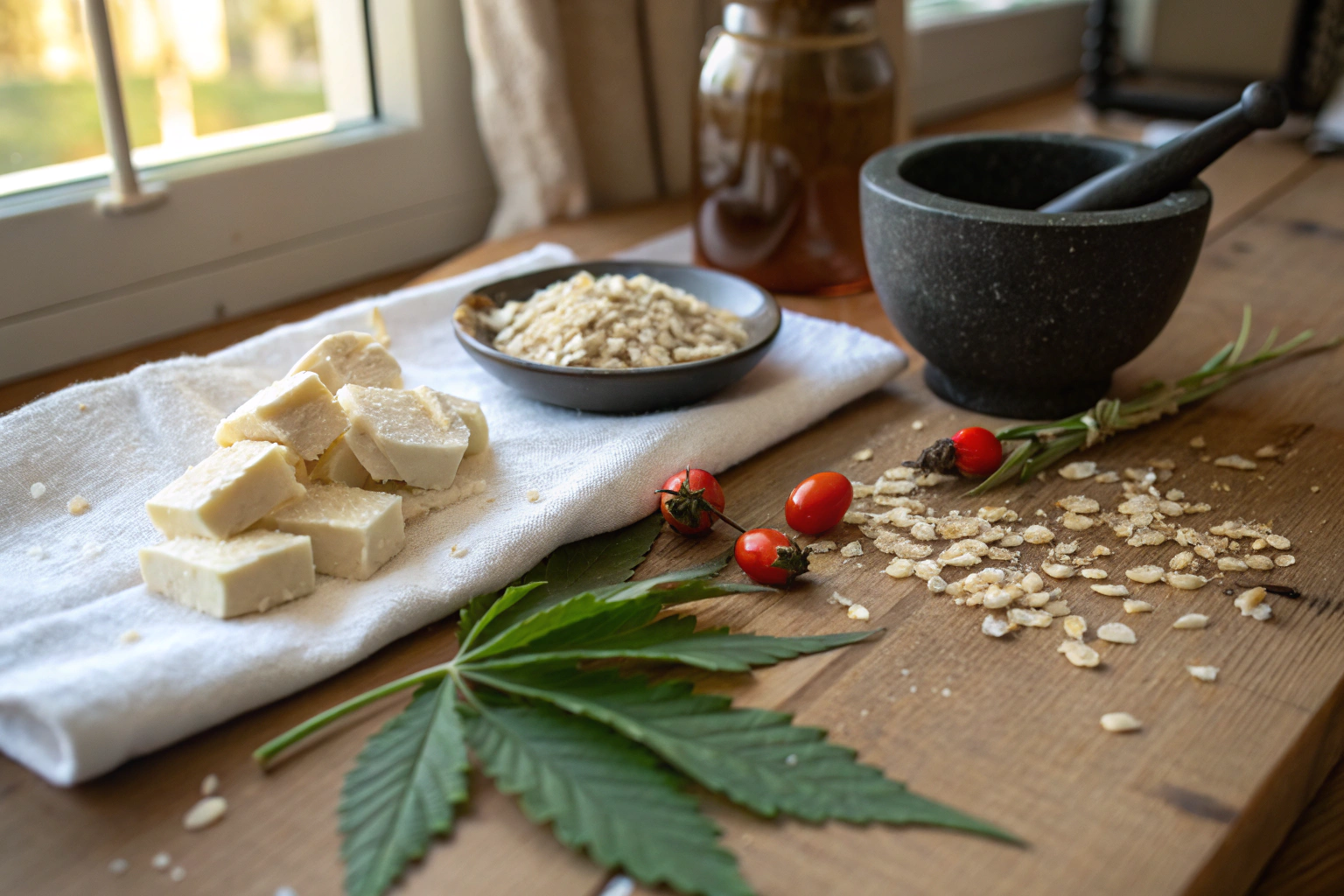
    Psoriasis is a chronic skin condition characterized by inflammation, redness, and flaky patches that can cause significant discomfort. While many treatments focus on symptom relief, the key to effective care lies in nourishing and healing the skin naturally. This is where Hemp4Help’s top natural psoriasis moisturizer picks come into play, offering a scientifically formulated solution that combines nature’s best ingredients with innovative skin science.

    Understanding Psoriasis and Skin Barrier Dysfunction

    Psoriasis is fundamentally an immune-mediated disorder that accelerates the skin’s life cycle, causing cells to accumulate rapidly on the surface. This leads to thickened, scaly patches that are often dry and cracked, breaking the skin’s natural barrier. When this barrier is compromised, moisture escapes easily, and irritants can penetrate deeper, worsening inflammation and discomfort.

    To effectively manage psoriasis, a moisturizer must not only hydrate but also repair the skin barrier and reduce inflammation. Hemp4Help’s natural psoriasis moisturizer addresses these needs by harnessing the power of hemp-derived cannabinoids, plant oils, and healing botanicals.

    The Role of Cannabinoids in Skin Healing

    Central to Hemp4Help’s formulation is cannabidiol (CBD), a non-psychoactive compound extracted from hemp. Scientific studies have shown that CBD interacts with the skin’s endocannabinoid system, which plays a vital role in regulating inflammation, cell growth, and immune responses.

    By modulating this system, CBD helps reduce the overactive immune response that drives psoriasis flare-ups. Its anti-inflammatory properties soothe redness and irritation, while antioxidant effects protect skin cells from oxidative stress, which can exacerbate damage.

    Natural Oils and Botanicals for Deep Moisturization and Barrier Repair

    In addition to CBD, Hemp4Help’s moisturizer includes a blend of natural oils such as hemp seed oil, jojoba oil, and shea butter. Hemp seed oil is rich in omega-3 and omega-6 fatty acids, essential for maintaining skin elasticity and reinforcing the lipid barrier. Jojoba oil mimics natural skin sebum, helping to balance moisture without clogging pores.

    Shea butter offers intense hydration and contains vitamins A and E, which promote skin regeneration and healing. Together, these ingredients create a protective layer that locks in moisture and shields the skin from environmental aggressors.

    Additional Healing Ingredients

    Complementing the oils and cannabinoids, Hemp4Help’s moisturizer incorporates botanical extracts such as aloe vera and chamomile. Aloe vera is well-known for its soothing and cooling effects, reducing itchiness and inflammation. Chamomile provides calming antioxidants and supports skin repair.

    This synergistic blend ensures that the moisturizer not only alleviates dryness but also actively supports the skin’s natural healing processes.

    Why Choose Hemp4Help’s Natural Psoriasis Moisturizer?

    Choosing a natural psoriasis moisturizer means prioritizing gentle, effective care without harmful chemicals. Hemp4Help’s product is free from parabens, sulfates, and synthetic fragrances, making it suitable for sensitive skin often affected by psoriasis.

    Backed by scientific research and formulated with high-quality, natural ingredients, this moisturizer offers a holistic approach to managing psoriasis. Regular use can help restore skin balance, reduce flare-ups, and improve overall skin health.

    For those seeking a trustworthy, science-driven solution, Hemp4Help’s top natural psoriasis moisturizer picks represent a promising option that combines nature and science for effective skin healing.

  • Top Occasions to Rock a Christmas Suit Beyond December 25th

    Top Occasions to Rock a Christmas Suit Beyond December 25th

    The Best Occasions to Wear a Christmas Suit Beyond Christmas Day

    When it comes to festive fashion, the best christmas suit is often reserved for Christmas Day itself. But why limit your fun and flair to just one day? Christmas suits have evolved from quirky holiday wear to bold style statements that can shine well beyond December 25th. Whether you’re looking to spread some cheer or simply stand out, there are plenty of occasions where a Christmas suit can steal the spotlight.

    Why Choose a Christmas Suit Year-Round?

    Christmas suits are designed to be eye-catching, colorful, and full of personality. Their unique patterns and festive motifs make them perfect conversation starters. Wearing one outside of the traditional Christmas setting showcases your confidence and sense of humor, while also keeping the holiday spirit alive throughout the season—or even beyond it.

    1. Holiday-Themed Parties and Events

    Aside from Christmas Day itself, many workplaces, social clubs, and friend groups host holiday-themed parties in the weeks leading up to New Year’s. These gatherings are ideal opportunities to don your Christmas suit. Whether it’s an ugly sweater party or a full-on festive dress code, your suit will make you the star of the event.

    2. New Year’s Eve Celebrations

    New Year’s Eve is all about fun and festivity, and a Christmas suit fits right in with this vibe. The bold colors and joyful patterns can help you stand out in a sea of black-tie attire, turning heads as you toast to new beginnings. It’s a perfect way to carry the holiday cheer into the new year.

    3. Winter Festivals and Markets

    Many cities host winter festivals, Christmas markets, and light shows throughout December and into January. Wearing a Christmas suit to these events adds an extra layer of festiveness and helps you blend in with the joyful atmosphere. Plus, these suits often make for great photo ops!

    4. Themed Charity Events and Fundraisers

    Charity events during the holiday season frequently incorporate festive themes to encourage participation and donations. A Christmas suit can help you embrace the spirit of giving while showing your commitment to the cause. It’s a fun and memorable way to connect with others who share your generosity.

    5. Casual Winter Gatherings

    Don’t underestimate the power of a Christmas suit at informal gatherings, like family dinners or casual nights out with friends. The suit brings an element of surprise and joy to everyday winter occasions, sparking smiles and laughter without the need for a formal party.

    6. Post-Holiday Celebrations

    Sometimes, celebrations spill over well beyond Christmas Day—think Boxing Day, New Year’s brunches, or even winter birthdays. A Christmas suit can keep the festive spirit alive through these occasions, making your outfit a fun talking point no matter the date.

    Styling Tips for Wearing Your Christmas Suit Beyond Christmas

    To make your Christmas suit work for various occasions, consider pairing it with more neutral accessories. A simple white shirt or black turtleneck can tone down the look just enough for less formal settings. You can also swap out flashy shoes for classic loafers or boots to balance out the boldness of the suit.

    Ultimately, a Christmas suit is about celebrating joy and individuality. By choosing the right events and styling it thoughtfully, you can enjoy your best christmas suit well beyond just one day, spreading festive cheer whenever the mood strikes.