Best Cat Foods and Supplements to Promote Healthy Digestion
Ensuring your cat’s digestive health is essential for their overall well-being. Digestive issues like constipation can be uncomfortable and even dangerous if left untreated. Fortunately, the right diet and supplements can make a significant difference. If you’re curious about how to help a constipated cat, the ultimate how to help a constipated cat guide by Best Life 4 Pets is an excellent resource to get started on understanding the causes and remedies.
Choosing the Best Cat Foods for Digestive Health
Diet plays a pivotal role in maintaining a cat’s digestive system. Cats are obligate carnivores, meaning their diet should be rich in animal proteins while including the right amount of fiber to aid digestion. Here are some top food choices to consider:
1. High-Quality Wet Food
Wet cat food is often recommended for digestive health because it helps increase hydration, which is critical for preventing constipation. Look for wet foods that contain easily digestible proteins like chicken, turkey, or fish, and avoid fillers such as corn or soy that can irritate the digestive tract.
2. Fiber-Enhanced Diets
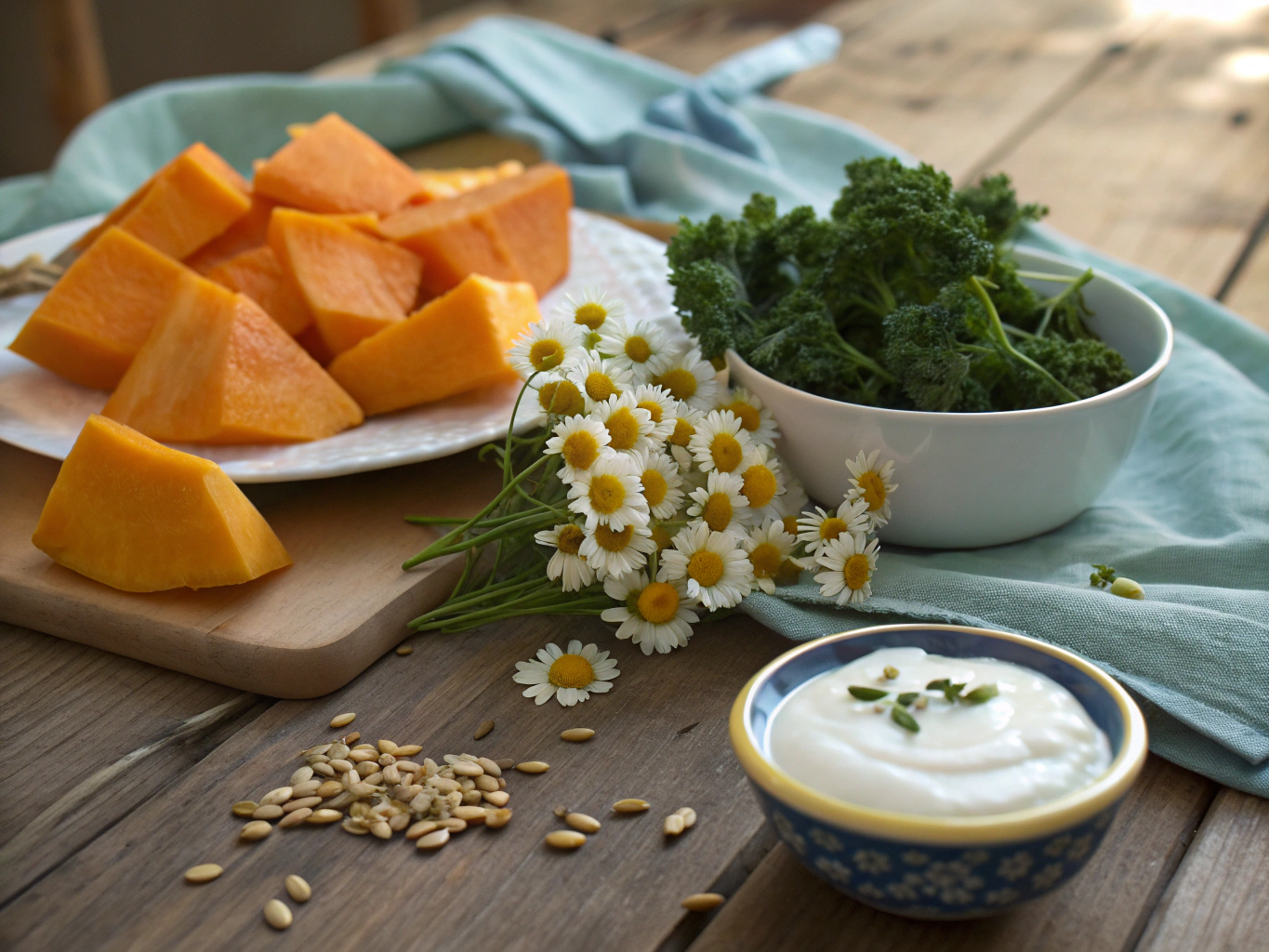
Fiber helps regulate bowel movements by adding bulk and promoting healthy gut motility. Some cat foods are specially formulated with added fiber from sources like pumpkin, beet pulp, or psyllium husk. These ingredients can be very effective in supporting regular digestion.
3. Limited Ingredient Diets (LID)
For cats with sensitive stomachs or food allergies, limited ingredient diets can reduce digestive stress. These diets minimize the number of components in the food, making it easier to identify and eliminate irritants.
Supplements to Support Your Cat’s Digestion
Supplements can be a valuable addition to your cat’s diet, especially if they are prone to digestive issues. Here are some of the best options:
1. Probiotics
Probiotics are beneficial bacteria that help balance the gut flora, improving digestion and nutrient absorption. They can reduce symptoms of constipation, diarrhea, and gas. Look for probiotic supplements specifically formulated for cats, which often come in powder, capsule, or liquid form.
2. Digestive Enzymes
Digestive enzymes aid in breaking down food more efficiently, ensuring your cat gets the maximum nutrition from their meals. These supplements can be especially helpful for older cats or those with pancreatic insufficiency.
3. Omega-3 Fatty Acids
While primarily known for their anti-inflammatory benefits, omega-3 fatty acids also promote a healthy gut lining, which can improve overall digestion. Fish oil supplements are a popular source and can be added to your cat’s diet after consulting with your vet.
Additional Tips to Promote Digestive Health
- Hydration: Always provide fresh water. Cats are notorious for not drinking enough, so consider a pet water fountain to encourage intake.
- Regular Exercise: Activity stimulates the digestive tract and helps prevent constipation.
- Monitor and Adjust: Observe your cat’s bowel habits and consult your veterinarian if you notice persistent issues.
Maintaining your cat’s digestive health is an ongoing process that combines proper diet, supplements, hydration, and care. If your feline friend is struggling with constipation or other digestive issues, exploring dietary changes alongside trusted resources like the ultimate how to help a constipated cat guide by Best Life 4 Pets will help you take confident steps toward improving their comfort and health.
Leave a Reply