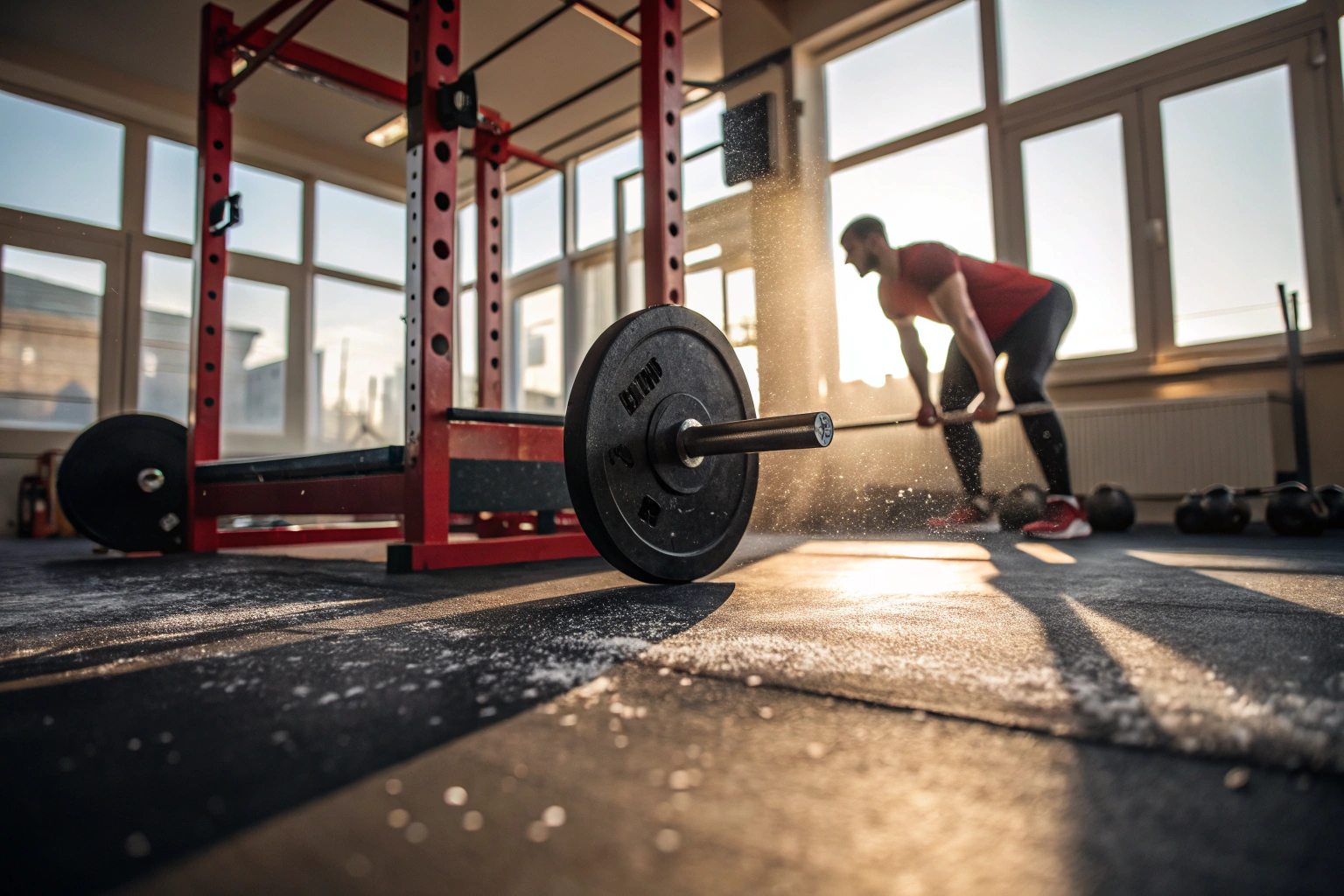
The Science Behind Chalk and Its Importance in Weightlifting Performance
Weightlifting is a sport where grip strength and control are paramount. Athletes constantly seek ways to improve their hold on the barbell, ensuring safety and maximizing performance. One of the most essential tools in this quest is chalk, a simple yet highly effective substance that has been a staple in the world of weightlifting for decades. For those serious about their lifting, pairing chalk with the best weightlifting gear can make a significant difference in training outcomes.
What Is Chalk and How Does It Work?
Chalk used in weightlifting is typically magnesium carbonate, a white powder that athletes apply to their hands before lifts. Its primary function is to absorb moisture—namely sweat—from the skin, which can otherwise cause the hands to slip during lifts. But chalk’s role goes beyond just drying the hands; it also improves friction between the lifter’s skin and the bar, enhancing grip security.
The Science of Grip Enhancement
Grip performance depends on friction, which is the resistance to sliding motion between two surfaces—in this case, the lifter’s hands and the barbell. When hands are sweaty, the moisture acts as a lubricant, drastically reducing friction and increasing the risk of slippage. Magnesium carbonate has a porous structure that absorbs sweat efficiently, keeping the skin drier and the contact surface more stable.
Moreover, chalk slightly increases the surface roughness of the skin, which further boosts friction. This dual action of moisture absorption and surface texture modification allows weightlifters to maintain a firm, reliable grip, even when handling heavy loads.
The Importance of Chalk in Weightlifting Performance
While it may seem like a small accessory, chalk plays a vital role in performance and safety. A secure grip allows athletes to focus fully on technique and power output rather than worrying about the bar slipping. This confidence often translates into better lifts, personal records, and reduced injury risk.
Enhanced Safety and Injury Prevention
Slipping hands can lead to dropped weights or improper bar path, increasing the likelihood of injury to the lifter or others nearby. Chalk mitigates these risks by providing a more predictable grip. This is especially critical during complex lifts such as the snatch or clean and jerk, where precision and control are essential.
Maximizing Your Weightlifting Gear
Chalk is just one component of effective weightlifting gear. Combining chalk with quality lifting straps, gloves, or wrist wraps can optimize grip and support further. Choosing the best weightlifting gear tailored to your needs helps create a comprehensive setup that elevates your performance and safety.
Types of Chalk and Application Tips
Weightlifters typically use chalk in block, powdered, or liquid forms. Block chalk is the traditional choice, allowing athletes to rub their hands directly on the solid form. Powdered chalk offers quick application but can create dust, which some facilities restrict. Liquid chalk, a blend of chalk and alcohol, dries quickly and reduces mess, making it ideal for gyms with chalk bans.
For optimal use, apply chalk evenly across the palms and fingers, avoiding excess that can cause clumping. Reapplying between sets ensures consistent grip quality throughout a workout.
Conclusion
Chalk is more than just a dusty mess on weightlifters’ hands—it’s a scientifically backed tool that enhances grip, boosts confidence, and safeguards against injury. Integrating chalk into your routine, alongside the best weightlifting gear, equips you with the essentials to push your limits safely and effectively. Whether you’re a beginner or an elite lifter, understanding and utilizing chalk can be a game-changer in your weightlifting journey.
Leave a Reply