Let’s go fishin’ Blog

  • Why Nitrile Gloves Are Essential for Every Task

    Why Nitrile Gloves Are Essential for Every Task

    When it comes to hand protection, nitrile gloves have become the go-to choice across various industries. From healthcare to food service, and even in fishing and outdoor activities, these gloves offer a unique combination of durability, comfort, and chemical resistance that traditional latex or vinyl gloves simply can’t match.

    What Are Nitrile Gloves?

    Nitrile gloves are made from a synthetic rubber polymer, which is an excellent alternative for individuals with latex allergies. Unlike latex gloves, nitrile gloves are free from proteins that can cause allergic reactions, making them safe for most users. Their synthetic nature also provides enhanced resistance to punctures, chemicals, and oils, which is why they are favored in environments that demand high levels of protection.

    Benefits of Using Nitrile Gloves

    • Allergy-Friendly: Nitrile gloves eliminate the risk of latex allergy, a significant concern in medical and food handling professions.
    • Superior Durability: Thanks to their synthetic composition, nitrile gloves are more resistant to tears and punctures compared to latex and vinyl options.
    • Chemical Resistance: These gloves provide excellent protection against a wide range of chemicals, oils, and solvents, making them ideal for laboratory work, automotive repair, or cleaning tasks.
    • Comfort and Fit: Modern nitrile gloves are designed to fit snugly and stretch comfortably, offering dexterity and tactile sensitivity that professionals require.

    Applications of Nitrile Gloves

    The versatility of nitrile gloves makes them suitable for numerous applications:

    Healthcare and Laboratory Use

    Medical professionals rely heavily on nitrile gloves because they provide a reliable barrier against pathogens while minimizing allergic reactions. In laboratories, these gloves protect users from exposure to hazardous chemicals and biological agents.

    Food Handling and Preparation

    Food safety standards require gloves that prevent cross-contamination. Nitrile gloves are ideal due to their chemical resistance and durability, ensuring both food safety and worker protection.

    Fishing and Outdoor Activities

    For fishing enthusiasts, nitrile gloves are excellent for handling bait, fish, and tackle. Their resistance to oils and punctures helps maintain grip and safety when dealing with sharp hooks or slippery fish.

    Choosing the Right Nitrile Gloves

    When selecting nitrile gloves, consider factors such as thickness, texture, and size. Thicker gloves offer better protection but may reduce tactile sensitivity, while textured surfaces enhance grip, especially in wet or oily conditions. Proper fit is crucial to ensure comfort and prevent hand fatigue during extended use.

    Where to Buy Quality Nitrile Gloves

    To ensure you get reliable and high-quality nitrile gloves, it’s best to purchase from reputable suppliers. You can explore a wide range of options at nitrile gloves that cater to different needs and industries, providing both affordability and durability.

    Conclusion

    Nitrile gloves have revolutionized hand protection by offering a versatile, durable, and allergy-friendly option suitable for countless tasks. Whether you’re in healthcare, food service, or even outdoor activities like fishing, investing in quality nitrile gloves ensures your hands stay safe and comfortable. When it comes to safeguarding your hands, nitrile gloves truly stand out as the smart choice.

  • Drawing Beginners: Essential Tips for Patience & Precision


    Drawing for Beginners: A Comprehensive Guide for New Artists

    Getting Started with Drawing: A Guide for Beginners

    Embarking on your drawing journey can be both exciting and overwhelming. Whether you’re aiming to improve your skills or just exploring a new hobby, understanding the fundamentals is essential. For those interested in exploring the basics, check out drawing beginners resources that provide valuable insights into starting your artistic adventure.

    Understanding the Basics of Drawing

    Tools and Materials

    Before putting pencil to paper, it’s important to gather the right tools. Beginners typically start with simple supplies such as graphite pencils, erasers, sharpeners, and sketchbooks. Choosing quality materials can make the learning process smoother and more enjoyable. Over time, as your skills develop, you can experiment with different mediums like charcoal, colored pencils, or ink.

    Fundamental Drawing Techniques

    Mastering basic techniques lays the foundation for more complex artworks. These include understanding how to hold your pencil correctly, practicing lines and strokes, shading techniques, and creating textures. Practicing these fundamentals regularly helps in developing control and confidence in your drawing.

    Step-by-Step Approach for Beginners

    Start with Simple Shapes

    Begin by drawing basic geometric shapes such as circles, squares, and triangles. These shapes are the building blocks for more complex objects. Focus on proportion, symmetry, and smooth lines to build a strong foundation.

    Practice Observation Skills

    Good drawing is often rooted in good observation. Spend time studying objects around you—apples, cups, or even your hand—and try to replicate them. This exercise enhances your understanding of form, light, and shadow, which are critical for realistic drawing.

    Break Down Complex Subjects

    When tackling more intricate subjects like landscapes or human figures, break them down into manageable sections. Sketch the outline first, then gradually add details and shading. Patience and step-by-step progress are key to achieving satisfying results.

    Common Challenges and How to Overcome Them

    Dealing with Frustration

    Learning to draw can be frustrating at times, especially when progress seems slow. Remember that practice is essential, and mistakes are part of the learning process. Celebrate small victories and be patient with yourself as you improve.

    Improving Proportions and Perspective

    Proportions and perspective are often challenging for beginners. Using guidelines and grids can help maintain accuracy. Studying perspective principles—such as vanishing points—enables you to create depth and realism in your drawings.

    Practicing Regularly and Developing Your Style

    Consistency is vital. Set aside dedicated time daily or weekly to practice your drawing skills. Over time, you’ll develop your unique style—whether it’s realistic, abstract, or stylized. Don’t be afraid to experiment with different techniques and subjects to discover what resonates with you most.

    Learning Resources and Community Support

    Supplement your practice with tutorials, books, and online courses. Engaging with fellow artists through communities and social media can provide motivation and constructive feedback. Remember, every artist starts somewhere, and sharing your work helps in gaining confidence and improving your craft.

    Conclusion

    Starting as a drawing beginner involves patience, practice, and a willingness to learn. By understanding the fundamental techniques, practicing consistently, and embracing your unique style, you’ll see progress over time. For more detailed guidance and inspiration, be sure to explore the valuable resources available in the drawing beginners article.


  • Fountain Pen Ink Essentials: A Guide for Braided Line Fans

    Exploring the World of Fountain Pen Ink: A Guide to Choosing and Using the Perfect Ink

    If you’re a passionate writer or an avid collector of writing instruments, understanding fountain pen ink is essential to elevating your writing experience. Fountain pen ink is not just a medium to transfer ink onto paper; it’s an art form in itself, offering a wide spectrum of colors, textures, and qualities that can significantly influence your writing. To delve deeper into the nuances of fountain pen ink, check out fountain pen ink and explore the detailed insights offered there.

    The Evolution and Composition of Fountain Pen Ink

    Fountain pen ink has evolved considerably since its inception, transitioning from simple, dye-based solutions to complex formulations designed to enhance performance, safety, and aesthetics. Traditional fountain pen inks are primarily composed of dyes or pigments suspended in a solvent, typically water. Dyes provide vibrant colors and smooth flow, while pigments offer longevity and water resistance. Modern formulations often include additives that improve flow, prevent clogging, and protect the nib and feed system of the pen.

    Types of Fountain Pen Ink

    Choosing the right type of ink depends on your writing needs, style, and the kind of paper you use. The main categories include:

    • Dye-based inks: Known for their bright colors and ease of flow, these inks are popular among everyday writers. They tend to be more vibrant but may fade over time and are less water-resistant.
    • Pigment-based inks: These contain tiny particles of pigment suspended in the ink, offering superior water resistance and longevity. They are ideal for archival purposes but may require more frequent cleaning of your pen.
    • Sheening and shading inks: These inks create dynamic effects on paper, with colors that shift or darken depending on the amount of ink and paper type.

    Factors to Consider When Choosing Fountain Pen Ink

    Color and Aesthetics

    The vast array of available colors allows writers to personalize their work. From classic blues and blacks to vibrant reds, greens, and specialty tones, selecting the right hue can enhance the visual appeal of your writing or artwork.

    Ink Compatibility and Paper Quality

    Not all inks perform well on every paper type. Smooth, high-quality paper minimizes feathering and bleed-through, especially when using highly saturated or shading inks. Always test new inks on your preferred paper to ensure compatibility and desired results.

    Safety and Environmental Concerns

    Opt for non-toxic, non-permanent inks, especially if you handle ink regularly or write for extended periods. Many reputable brands offer environmentally friendly inks that are free from harmful chemicals.

    Maintenance and Care of Fountain Pen Ink

    Proper maintenance is crucial to ensuring your fountain pen remains in optimal condition. Regularly clean your pen to prevent ink clogs and residue buildup, especially when switching between different ink colors or types. Using distilled water for cleaning helps remove stubborn pigments and dyes, extending the lifespan of your writing instrument.

    Storage Tips

    Store ink bottles in a cool, dry place away from direct sunlight. Keep your fountain pen capped when not in use to prevent ink from drying in the nib and feed system. Some ink bottles come with built-in droppers or converters, making it easier to refill your pen without contamination.

    Conclusion: Enhancing Your Writing with the Right Ink

    Understanding the intricacies of fountain pen ink enables you to make informed choices that align with your writing style and aesthetic preferences. Whether you favor the vibrant clarity of dye-based inks or the durability of pigment formulations, selecting the right ink can transform your everyday writing into a pleasurable and artistic experience. For more detailed information and tips on fountain pen ink, visit fountain pen ink and discover the full spectrum of options available to enhance your writing journey.

  • Rollerballs: Smooth Casting Tips for Braided Fishing Lines


    Understanding Rollerballs: The Essential Guide for Writers

    Introduction to Rollerballs: A Writing Instrument Revolution

    When it comes to choosing the perfect pen, many writers and artists gravitate towards the smooth, consistent ink flow of rollerball pens. These writing instruments have gained popularity due to their ability to combine the precision of a ballpoint with the fluidity of a fountain pen. For an in-depth look at the history and nuances of rollerballs, check out this detailed exploration of rollerballs. Understanding what sets rollerball pens apart can help you select the right tool for your writing needs.

    What Are Rollerball Pens?

    Definition and Composition

    Rollerball pens are a type of ballpoint pen that uses water-based or gel ink, providing a smoother and more vibrant writing experience. Unlike traditional ballpoints that use oil-based ink, rollerballs utilize liquid ink stored in a cartridge, which flows easily through a tiny ball at the tip. This design allows for much more fluid motion across paper, resulting in cleaner, sharper lines.

    Differences from Other Pens

    While ballpoint pens are known for their durability and quick-drying ink, they often lack the smoothness and richness of color found in rollerballs. Fountain pens, on the other hand, offer a luxurious writing experience but require more maintenance and skill. Rollerballs strike a balance by providing the ease of use similar to ballpoints, but with the elegance and vividness of fountain pen ink.

    Advantages of Using Rollerball Pens

    Smooth Writing Experience

    The primary advantage of rollerball pens lies in their incredibly smooth ink flow. Because the ink is water-based or gel, it glides effortlessly across the paper, reducing hand fatigue during extended writing sessions. This makes them especially popular among students, professionals, and artists who demand fluidity and precision in their work.

    Vibrant and Sharp Ink Colors

    Rollerballs produce bright, vivid lines that stand out on the page. The liquid ink’s clarity can make handwriting more legible and aesthetically pleasing. This feature is particularly valued for signatures, artistic projects, or any task where visual impact is important.

    Versatility and Convenience

    Many rollerball pens are designed with ergonomic grips and refillable cartridges, making them convenient and environmentally friendly options. Their ability to write smoothly on various types of paper further enhances their appeal for diverse applications.

    Potential Drawbacks of Rollerball Pens

    Ink Bleeding and Smudging

    One of the common challenges with rollerball pens is their tendency to bleed or smudge, especially on thin or low-quality paper. Since the ink is water-based, it can take longer to dry and may smudge if touched prematurely. This can be a concern for left-handed writers or when handling documents in haste.

    Ink Durability and Longevity

    While vibrant, the water-based ink may not be as durable over time compared to oil-based inks. Documents written with rollerballs might fade or be susceptible to water damage, making them less ideal for archival purposes.

    Choosing the Right Rollerball Pen

    Tip Sizes and Ink Colors

    Rollerballs come in various tip sizes, typically ranging from 0.5mm to 1.0mm. A finer tip (0.5mm) is suitable for detailed writing, while a broader tip (1.0mm) provides bolder lines. Additionally, these pens are available in an array of ink colors, allowing for creative and professional expression.

    Quality and Brand Considerations

    Opt for reputable brands known for consistent ink flow and comfortable design. Investing in a high-quality rollerball can enhance your writing experience and reduce issues such as skipping or leakage.

    Conclusion

    Rollerball pens have revolutionized the way we approach writing by combining smooth ink flow, vibrant color, and ease of use. Whether for professional signatures, artistic endeavors, or everyday note-taking, understanding the features and limitations of rollerballs can help you make an informed choice. For more insights into the fascinating world of rollerball pens, be sure to explore the comprehensive article on rollerballs.


  • Discover the Elegance and Precision of Rollerball Pens

    The Elegance and Precision of the Rollerball Pen

    In the world of writing instruments, the rollerball pen stands out as a perfect blend of smoothness, precision, and style. Whether you’re signing important documents, jotting down notes, or simply expressing your creativity, a rollerball pen offers an unmatched writing experience that combines the fluidity of a fountain pen with the convenience of a ballpoint.

    What Makes Rollerball Pens Unique?

    At first glance, a rollerball pen might look similar to a traditional ballpoint, but its ink and mechanism set it apart. Rollerball pens use water-based or gel ink, which flows more freely compared to the oil-based ink found in ballpoints. This results in a smoother, more effortless writing experience with less pressure needed on the paper.

    Benefits of Using a Rollerball Pen

    • Smoother Writing: The free-flowing ink glides effortlessly, reducing hand fatigue during long writing sessions.
    • Vibrant Lines: Because of the water-based ink, rollerball pens produce darker, more saturated lines that stand out on the page.
    • Precision and Control: The fine tip allows for detailed writing and sharp, clean strokes, making it ideal for both everyday and professional use.
    • Refillable and Durable: Many rollerball pens are designed for long-term use with replaceable ink cartridges, combining sustainability with style.

    Choosing the Right Rollerball Pen for You

    When selecting a rollerball pen, consider factors such as grip comfort, ink type, and design aesthetics. Some pens feature ergonomic grips for extended writing comfort, while others prioritize sleek, sophisticated designs that reflect your personal style. The rollerball pen collection offers a variety of options catering to both casual scribblers and serious writers.

    Ink Variations and Paper Compatibility

    Rollerball pens typically come with either gel or liquid ink. Gel inks provide smoothness and vivid colors, while liquid inks offer a more traditional fountain pen feel with quick drying times. It’s important to pair the pen with the right paper to prevent bleeding or smudging—high-quality, smooth paper enhances the writing experience significantly.

    Why Writers and Professionals Love Rollerball Pens

    From authors to executives, the rollerball pen has earned a loyal following thanks to its balance of form and function. The pen’s ability to write smoothly with rich ink makes it a favorite for signing contracts, drafting letters, and everyday note-taking. Its professional appearance also adds a touch of elegance to your desk or pocket.

    Care and Maintenance Tips

    To keep your rollerball pen in optimal condition, store it capped when not in use to prevent the ink from drying out. Regularly replacing cartridges and cleaning the tip can extend the life of your pen and maintain smooth ink flow.

    Final Thoughts

    The rollerball pen is more than just a writing tool; it’s an experience. Combining smooth ink flow, vibrant lines, and elegant design, it elevates everyday writing into a pleasurable and precise activity. Whether for work or personal use, investing in a quality rollerball pen is a decision that enhances your writing routine.

  • Discover the Elegance of Fancy Pens for Everyday Writing

    Discover the Elegance of Fancy Pens for Everyday Writing

    Discover the Elegance of Fancy Pens for Everyday Writing

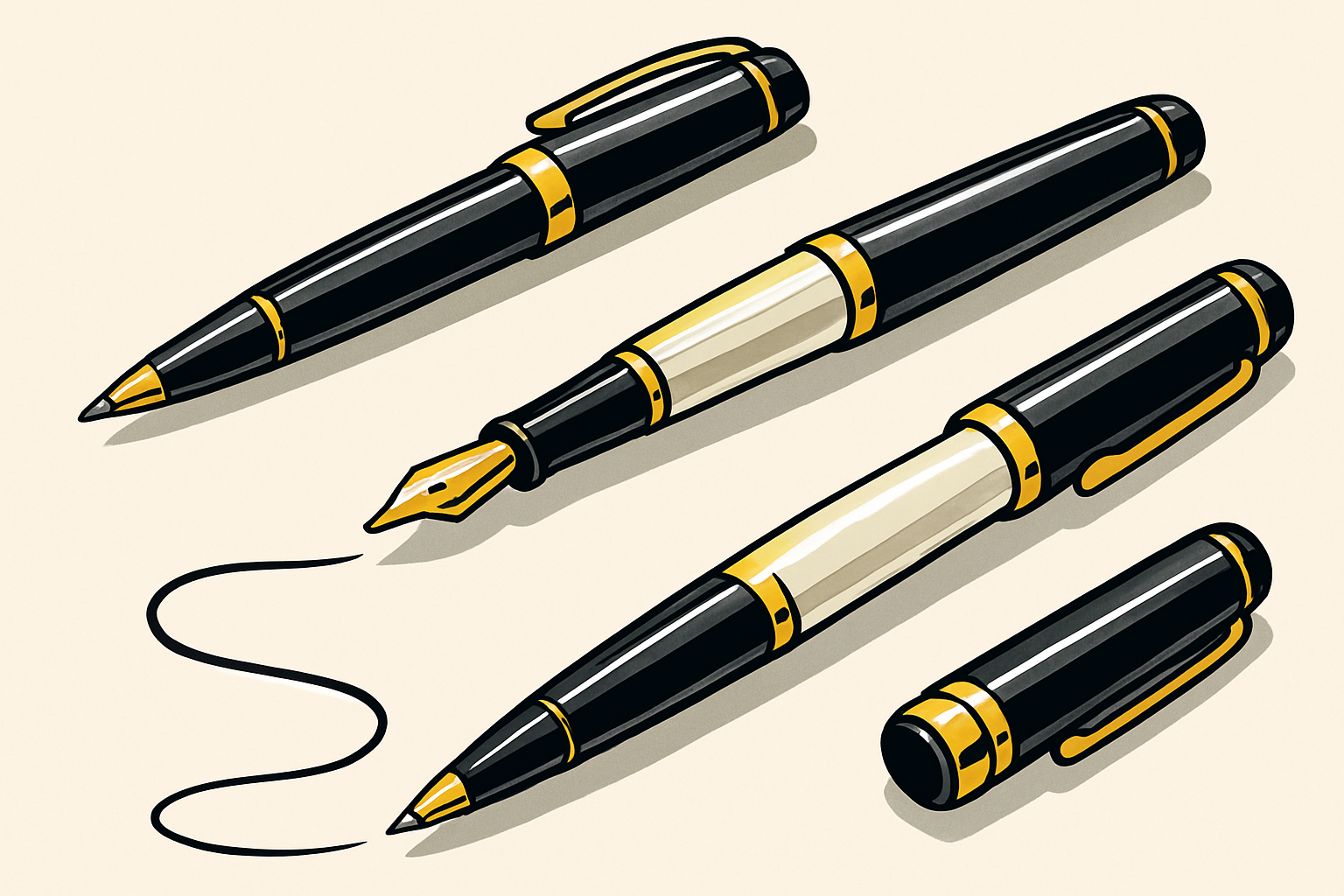
    In a world increasingly dominated by digital communication, the art of handwriting remains a treasured skill and a personal statement. Whether you’re signing important documents, journaling your thoughts, or simply jotting down notes, the right writing instrument can make all the difference. That’s where fancy pens come into play—combining functionality with exquisite design to create an elevated writing experience.

    What Makes Fancy Pens Stand Out?

    Fancy pens are not just ordinary writing tools; they are expressions of craftsmanship and elegance. Unlike mass-produced ballpoint pens, these pens are often made with premium materials like brass, gold, silver, or resin, and feature intricate detailing that reflects traditional artistry and modern innovation. They are designed to provide a smooth, consistent ink flow, which enhances handwriting and reduces fatigue during prolonged use.

    The Art of Fountain Pens

    Among the various types of fancy pens, fountain pens hold a special place. Known for their classic charm and superior writing quality, fountain pens use liquid ink delivered through a nib, allowing for a range of line widths and styles depending on the pressure and angle used. This makes writing with a fountain pen a uniquely personal experience, often favored by calligraphers, artists, and pen enthusiasts alike.

    Exploring collections like those found at fancy pens retailers reveals an impressive variety of designs, from vintage-inspired models to sleek contemporary styles. Each pen tells a story, making it an ideal gift or a prized addition to your own collection.

    Benefits Beyond Aesthetics

    Investing in a fancy pen offers more than just visual appeal. Many users report that writing with a well-crafted pen improves their handwriting and encourages mindfulness. The tactile feedback and smooth ink flow create a satisfying connection between the writer and the page, fostering creativity and focus.

    Durability and Sustainability

    Unlike disposable pens that contribute to environmental waste, fancy pens are designed to last a lifetime with proper care. Most feature refillable ink cartridges or converters, reducing plastic waste and making them an eco-friendly choice. Their durability also means fewer replacements, saving money over time while decreasing environmental impact.

    Choosing the Perfect Fancy Pen

    When selecting a fancy pen, consider factors such as nib size, weight, balance, and design. Some prefer fine nibs for detailed writing, while others opt for broader nibs to create bold, expressive strokes. It’s also important to choose a pen that feels comfortable in your hand, as this affects your overall writing experience.

    Whether you’re a professional signing contracts or a student taking notes, a fancy pen can elevate your daily routine, combining utility with a touch of luxury. Exploring collections like those at fancy pens is a great way to find the perfect match for your style and needs.

    Conclusion

    Fancy pens are more than just writing instruments; they are companions that add elegance, precision, and pleasure to every word you put on paper. Embracing a fancy pen is embracing a tradition of fine craftsmanship and personal expression that transcends the digital age. So why settle for ordinary when your writing deserves the extraordinary?

  • Discover the Timeless Elegance of Fountain Pens

    Discover the Timeless Elegance of Fountain Pens

    In an age dominated by digital communication, the fountain pen remains a symbol of sophistication and craftsmanship. Whether you’re a seasoned collector or someone curious about the charm of traditional writing instruments, a fountain pen offers an experience unlike any other. Its smooth ink flow and elegant design evoke a sense of nostalgia while delivering unmatched writing precision.

    What Makes a Fountain Pen Special?

    Unlike ballpoint or gel pens, fountain pens use a nib and an ink reservoir to provide a continuous, smooth line of ink on paper. This mechanism allows for greater control over line variation and pressure sensitivity, lending a personal touch to handwriting. The choice of nib sizes and ink colors further enhances the customization possibilities, making each pen unique to its user.

    Components of a Fountain Pen

    • Nib: The metal tip that touches the paper, available in various sizes and materials such as gold or stainless steel.
    • Feed: Regulates ink flow from the reservoir to the nib.
    • Ink Reservoir: Can be a cartridge, converter, or built-in piston mechanism holding the ink.
    • Body and Cap: Crafted from diverse materials ranging from resin to precious metals, contributing to the pen’s aesthetic and durability.

    Why Choose a Fountain Pen?

    There are several reasons why fountain pens have stood the test of time. For one, writing with a fountain pen can reduce hand fatigue due to the minimal pressure needed. Many users find that their handwriting improves in legibility and style when using a fountain pen. Beyond functionality, these pens often serve as statement pieces, reflecting personal taste and elegance.

    A Sustainable Choice

    Fountain pens also offer an eco-friendly alternative to disposable pens. With refillable ink reservoirs, you can significantly cut down on plastic waste. Investing in a quality fountain pen is not only a nod to tradition but also a step towards sustainable writing habits.

    Getting Started with Your First Fountain Pen

    If you’re new to fountain pens, it’s best to start with a classic model known for reliability and ease of use. Look for pens with medium nibs, which suit most writing styles, and use widely available ink cartridges or converters. Regular cleaning and proper storage will ensure your fountain pen lasts for decades.

    For those interested in exploring a curated selection, the fountain pen collection at Scriveiner offers beautifully crafted options that blend timeless design with modern functionality.

    Conclusion

    The fountain pen is more than just a writing tool; it’s an invitation to slow down, appreciate craftsmanship, and express yourself uniquely. Whether for everyday writing, calligraphy, or as a collectible, embracing a fountain pen can enrich your writing experience. Dive into the world of fountain pens and discover the joy of putting pen to paper in the most elegant way.

  • Hello world!

    Welcome to WordPress. This is your first post. Edit or delete it, then start writing!