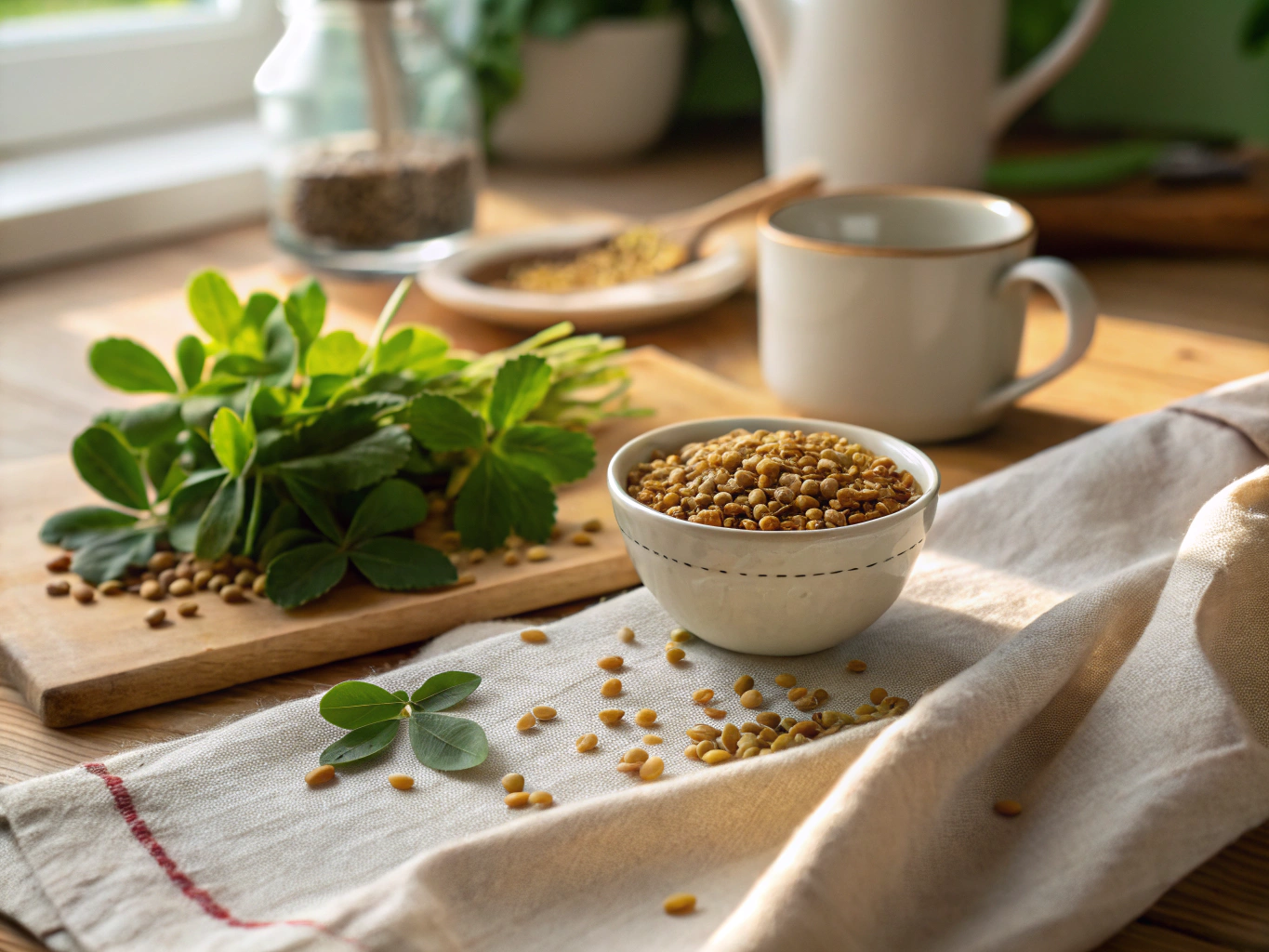
How Long Does It Take for Fenugreek to Increase Milk Supply?
Many breastfeeding mothers turn to natural remedies to enhance their milk supply, and understanding fenugreek for breastfeeding with Mama’s Select can be a helpful first step. Fenugreek is a popular herbal supplement known for its potential to stimulate milk production. But how long does it actually take to see results? This article explores the timeline, effectiveness, and important considerations of using fenugreek during breastfeeding.
What Is Fenugreek and Why Is It Used for Breastfeeding?
Fenugreek is an herb traditionally used in various cultures to promote lactation. Its seeds contain compounds believed to mimic estrogen, which may help increase milk supply by stimulating sweat production and milk ducts. Many mothers prefer fenugreek because it is natural, generally safe, and easy to incorporate into daily routines, whether as capsules, teas, or tinctures.
The Typical Timeline for Fenugreek’s Effects
While individual experiences vary, most breastfeeding mothers report noticing an increase in milk supply within 24 to 72 hours of starting fenugreek. However, it can sometimes take up to a week for more significant results to appear. Consistency is key—taking the recommended dose regularly helps fenugreek build up in the system and support lactation effectively.
It’s important to remember that fenugreek is not a guaranteed quick fix. Factors like hydration, nursing frequency, and overall health also play crucial roles in milk production. Some mothers might experience an immediate boost, while others may find the effects more gradual.
How to Use Fenugreek Safely and Effectively
Recommended Dosage and Forms
Fenugreek supplements are commonly available in capsules, teas, and extracts. A typical dose ranges from 500 mg to 1,000 mg taken two to three times daily. When using fenugreek tea, it’s advisable to drink two to three cups per day. Starting with a smaller dose and gradually increasing it can help monitor tolerance and minimize side effects.
Potential Side Effects and Precautions
Though fenugreek is generally safe, some mothers may experience mild side effects such as gastrointestinal discomfort, maple syrup-scented sweat or urine, and allergic reactions. It’s essential to consult a healthcare provider before beginning fenugreek, especially if you have diabetes or are taking other medications.
Tips to Maximize Breast Milk Production Alongside Fenugreek
- Frequent Nursing or Pumping: Stimulating the breasts regularly encourages milk production.
- Stay Hydrated: Drinking plenty of water supports overall milk supply.
- Maintain a Balanced Diet: Nutrient-rich foods provide the energy needed for breastfeeding.
- Rest and Reduce Stress: Stress can negatively impact milk production, so adequate rest is vital.
Combining these practices with fenugreek supplementation can enhance your chances of successfully increasing your milk supply.
Final Thoughts
Fenugreek can be a valuable ally for breastfeeding mothers seeking to increase milk production, but patience and proper use are essential. Most women see benefits within a few days, but the timeline can vary. Remember to approach fenugreek as part of a holistic breastfeeding plan, incorporating good hydration, nutrition, and breastfeeding habits.
For those interested in exploring fenugreek as a natural lactation aid, understanding fenugreek for breastfeeding with Mama’s Select provides quality, organic options to help support your breastfeeding journey safely and effectively.
Leave a Reply