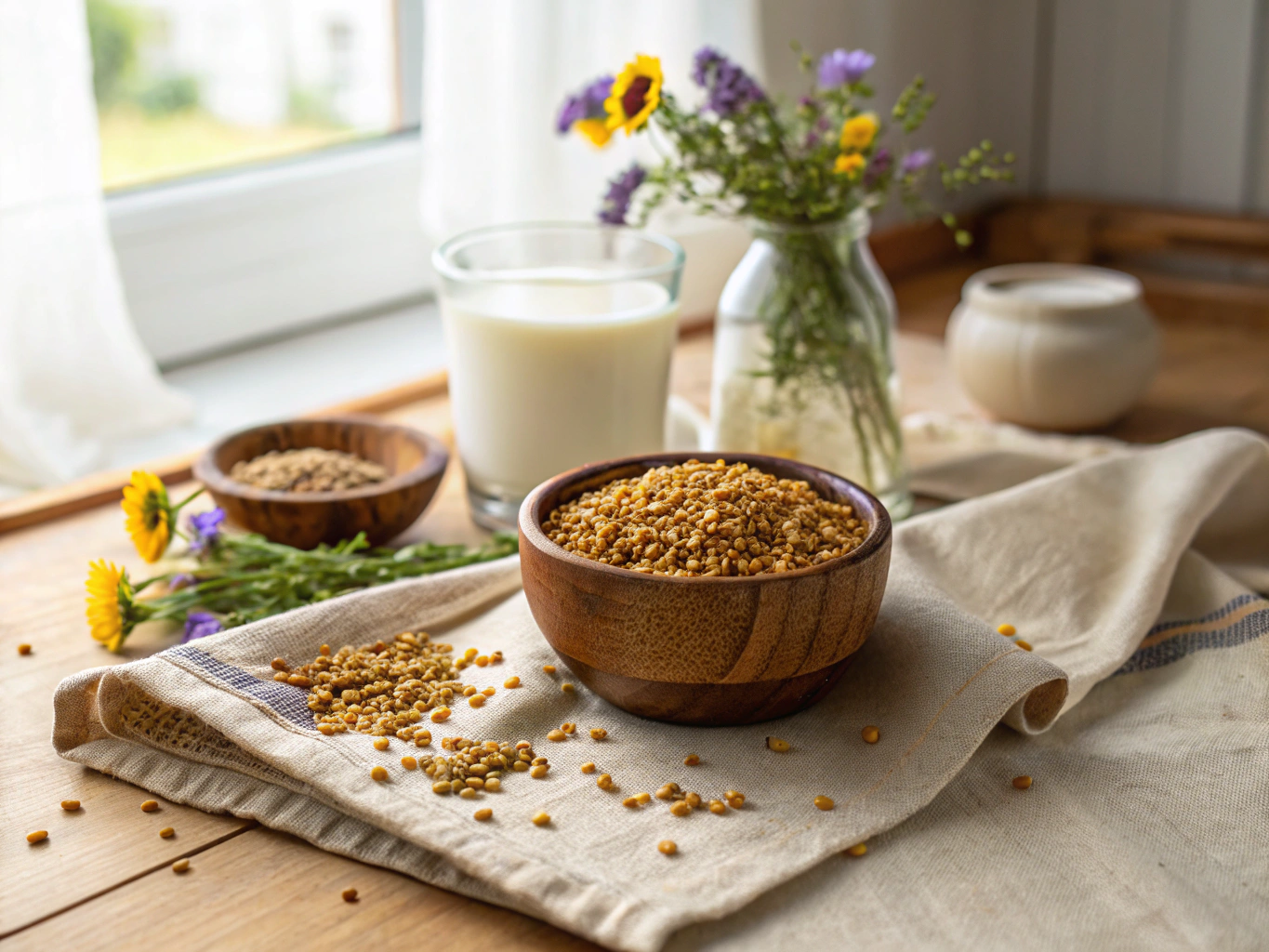
Fenugreek Allergies and Nursing: What Every Mom Should Know
Fenugreek is a popular natural supplement often used by nursing mothers to boost milk production. Known for its potential to enhance lactation, many moms turn to fenugreek as a natural aid during breastfeeding. If you’re considering fenugreek nursing support, it’s important to understand both its benefits and the potential risks—especially allergies. For a deeper dive into fenugreek’s lactation benefits, check out Mama’s Select, which offers valuable insights tailored for breastfeeding moms.
What Is Fenugreek and Why Is It Popular Among Nursing Moms?
Fenugreek is an herb native to the Mediterranean region and parts of Asia. It has been used for centuries in traditional medicine, including as a galactagogue—an agent that promotes milk production. Many nursing mothers incorporate fenugreek supplements, teas, or capsules into their routine to help increase their milk supply naturally.
Its popularity stems from anecdotal evidence and some scientific studies suggesting it can enhance milk volume. However, like any supplement, fenugreek is not without potential side effects, one of the most important being allergic reactions.
Understanding Fenugreek Allergies
Who Is at Risk?
Fenugreek allergies are relatively uncommon but can be serious. People with allergies to other legumes such as peanuts, chickpeas, or soybeans may have a higher risk of reacting to fenugreek due to cross-reactivity. If you have a history of legume allergy, it’s crucial to approach fenugreek with caution.
Common Symptoms of Fenugreek Allergy
Allergic reactions to fenugreek can vary from mild to severe. Common symptoms include:
- Skin rash or hives
- Itching or swelling around the mouth or throat
- Difficulty breathing or wheezing
- Gastrointestinal discomfort such as nausea or diarrhea
In rare cases, fenugreek allergy can lead to anaphylaxis, a life-threatening reaction that requires immediate medical attention.
Fenugreek and Nursing: Safety Considerations
When it comes to fenugreek nursing use, the safety of both mother and baby is paramount. If you decide to try fenugreek for lactation, keep the following tips in mind:
Consult Your Healthcare Provider
Before starting fenugreek supplements, discuss your plans with a healthcare professional, especially if you have any history of allergies or health conditions. They can help determine if fenugreek is appropriate for you and guide you on the correct dosage.
Watch for Allergic Reactions
Start with a small amount to monitor your body’s response. If you notice any symptoms of allergy, discontinue use immediately and seek medical advice.
Monitor Baby’s Reaction
Although rare, fenugreek can sometimes cause side effects in nursing infants such as diarrhea, rash, or fussiness. Keep a close eye on your baby’s behavior and health when you start fenugreek, and report any concerns to your pediatrician.
Natural Alternatives and Precautions
If fenugreek allergies are a concern, there are other natural galactagogues you can explore, such as blessed thistle, fennel, or milk thistle. However, any supplement should be used cautiously and under medical supervision.
Remember, the best way to support breastfeeding is through proper hydration, a balanced diet, and frequent nursing or pumping to stimulate milk production.
Final Thoughts
Fenugreek can be a helpful natural supplement for many nursing moms, but awareness of potential allergies is essential. By understanding the risks and monitoring both your and your baby’s reactions, you can safely explore fenugreek nursing benefits. Always prioritize open communication with your healthcare provider to ensure the best outcome for you and your child.
Leave a Reply