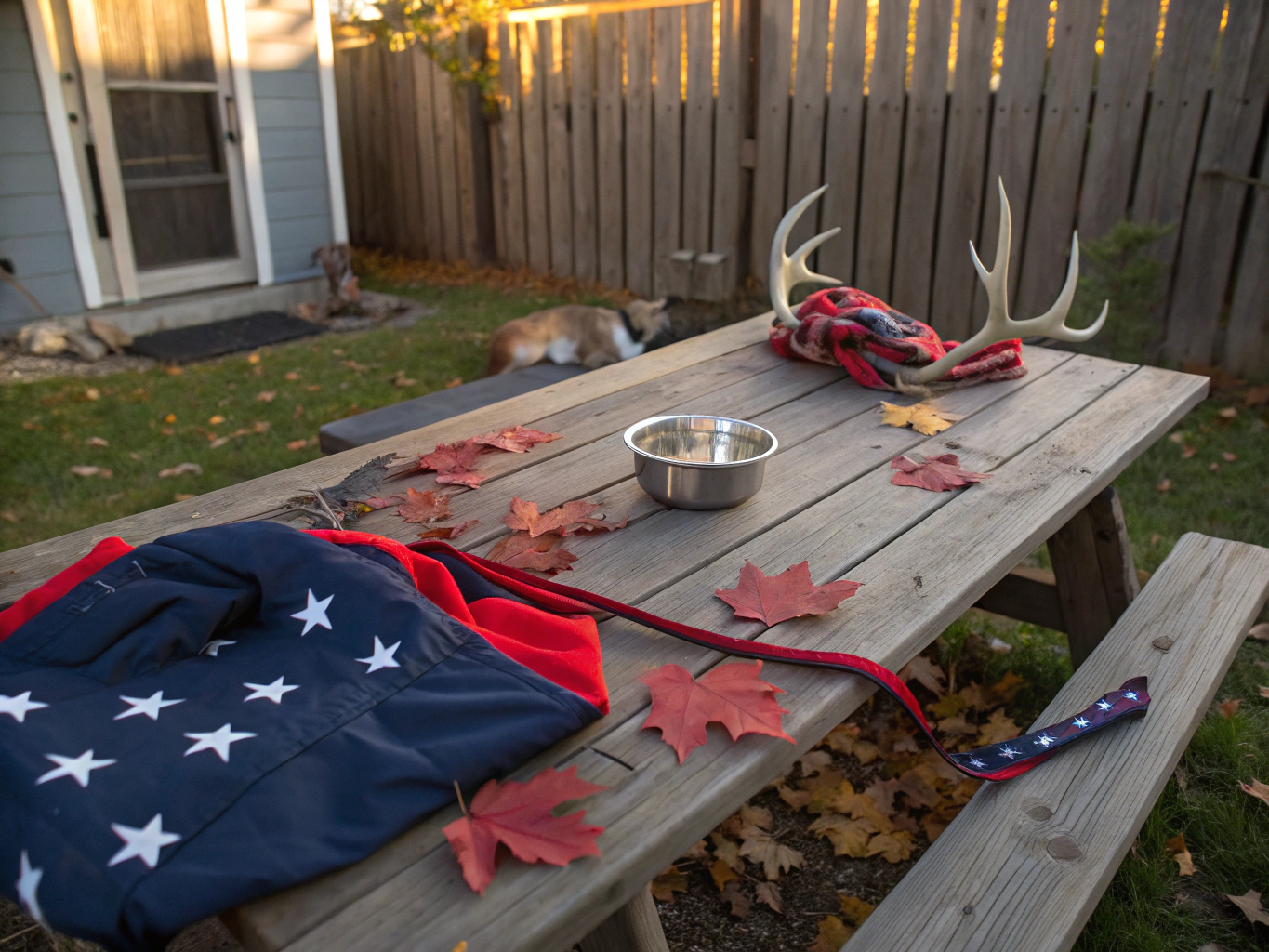
Common Myths About Feeding Dogs Elk Bones Debunked
When it comes to natural chews for dogs, elk bones have gained popularity among pet owners looking for a durable and healthy option. However, despite their benefits, several myths persist around feeding dogs elk bones, often causing confusion and hesitation. If you’re considering adding elk bones to your dog’s treat rotation, it’s essential to separate fact from fiction. For those wanting a reliable source, trusted elk bones for dogs from Devil Dog Pet Co offer quality and safety you can count on.
Myth 1: Elk Bones Are Dangerous Because They Can Splinter
One of the most common concerns is that elk bones splinter easily, posing a choking hazard or causing internal injuries. While this is a risk with cooked or processed bones, naturally shed elk antlers and properly prepared elk bone chews from reputable suppliers are extremely dense and hard, significantly reducing the chance of splintering. Elk antlers are known for their durability and tend to wear down slowly without breaking into sharp pieces.
It’s crucial to choose elk bones specifically designed for dogs, like those from trusted sources such as Devil Dog Pet Co. These products undergo quality checks to ensure they are safe for canine consumption. Additionally, supervising your dog during chewing sessions further minimizes any potential risks.
Why Raw and Natural Matters
Raw, untreated elk bones maintain their structural integrity better than cooked bones. Heat processing often makes bones brittle, increasing the likelihood of splintering. Natural elk antlers and bones also retain beneficial minerals, making them not only safer but more nutritious for your dog.
Myth 2: Feeding Elk Bones Can Damage Dogs’ Teeth
Some worry that the hardness of elk bones might crack or wear down their dog’s teeth. While it’s true that overly hard chews can cause dental issues, elk bones are generally a safer choice compared to synthetic or cooked bones. They provide a natural way to promote dental health by reducing plaque and tartar buildup through chewing.
However, it’s important to match the size and hardness of the elk bone to your dog’s chewing style and strength. For aggressive chewers, larger or thicker antlers are usually better. Always monitor your dog’s chewing habits and consult your vet if you’re unsure.
Myth 3: Elk Bones Are Not Nutritional and Offer No Benefits
Elk bones are often dismissed as just chew toys with no nutritional value. In reality, they are rich in minerals like calcium, phosphorus, and zinc, which support bone health and overall well-being. Chewing on elk bones also helps satisfy a dog’s natural urge to chew, reducing destructive behaviors caused by boredom or anxiety.
Moreover, natural elk bones don’t contain additives, preservatives, or artificial flavors, making them a healthier alternative to many commercial chew products.
Choosing the Right Elk Bones for Your Dog
To maximize benefits and safety, select elk bones from reputable manufacturers who specialize in pet products. Trusted sources ensure the bones are sourced ethically and prepared hygienically. Products like the trusted elk bones for dogs from Devil Dog Pet Co combine quality assurance with durability, making them an excellent choice for dog owners.
Final Thoughts
Elk bones can be a fantastic addition to your dog’s treat arsenal when chosen and used responsibly. By debunking common myths about splintering, dental damage, and nutritional value, it becomes clear that elk bones offer natural, long-lasting, and healthful benefits. Always prioritize quality and supervision, and your dog can enjoy elk bones safely and happily.
Leave a Reply