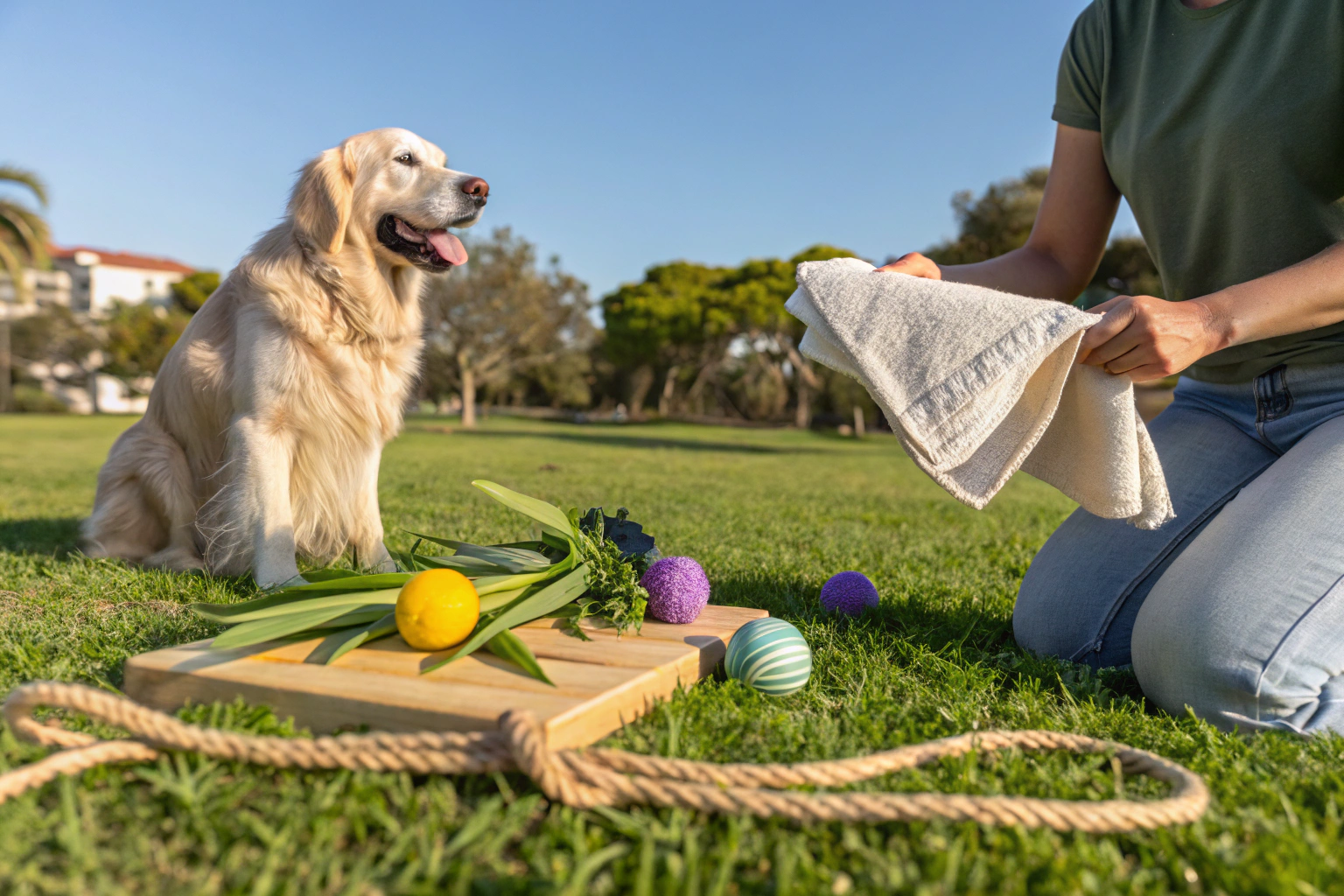
How to Treat Minor Cuts and Scrapes on Dogs Using a First Aid Kit
Dogs are naturally curious and energetic creatures, which often leads to minor injuries like cuts and scrapes. Knowing how to properly treat these wounds is essential for any dog owner to prevent infection and promote faster healing. Having best dog first aid kits on hand can make all the difference when your furry friend needs immediate care.
Why You Need a Dog First Aid Kit
A well-stocked dog first aid kit contains all the essential supplies to manage minor injuries before a visit to the vet becomes necessary. These kits typically include antiseptic wipes, sterile gauze, adhesive bandages, tweezers, and antibiotic ointments, designed specifically for canine use. Being prepared with these items ensures you can act quickly and confidently when your dog suffers a minor cut or scrape.
Step-by-Step Guide to Treating Minor Cuts and Scrapes on Dogs
1. Assess the Injury
First, determine the severity of the wound. Minor cuts and scrapes usually bleed a little but are shallow and do not expose deep tissue or bone. If the wound is deep, bleeding heavily, or if your dog is in severe pain, seek veterinary care immediately.
2. Calm Your Dog
Before treating the wound, make sure your dog is calm and secured. Speak softly and gently hold your dog or have someone assist you. This will help prevent sudden movements that could worsen the injury or cause stress.
3. Clean the Wound
Using sterile saline solution or clean, lukewarm water, gently flush the wound to remove dirt, debris, and bacteria. Avoid using hydrogen peroxide or alcohol directly on the wound as these can irritate the tissue and delay healing. If your dog first aid kit contains antiseptic wipes formulated for pets, use those to carefully clean around the injury.
4. Control the Bleeding
If the wound is bleeding, apply gentle pressure with a sterile gauze pad until the bleeding stops. Maintain pressure for several minutes without lifting the gauze to check frequently, as this can disrupt clotting.
5. Apply an Antibiotic Ointment
Once the bleeding has stopped and the wound is clean, apply a thin layer of a pet-safe antibiotic ointment. This helps prevent infection and promotes healing. Avoid using human ointments unless advised by your vet.
6. Protect the Wound
Cover the wound with sterile gauze and secure it with medical tape or a self-adhesive bandage from your dog first aid kit. Make sure the bandage is snug but not so tight as to restrict circulation. For wounds on paws or areas your dog can easily lick, consider using an Elizabethan collar to prevent licking and chewing.
7. Monitor and Change Dressings
Check the wound daily for signs of infection such as redness, swelling, discharge, or foul odor. Change the dressing at least once a day or whenever it becomes wet or dirty. If the wound does not improve within a few days or shows signs of infection, contact your veterinarian immediately.
Additional Tips for Dog Wound Care
- Keep your dog indoors: Allow your dog to rest and avoid outdoor activities until the wound heals.
- Maintain hygiene: Wash your hands before and after treating your dog to prevent introducing bacteria.
- Use appropriate supplies: Ensure all items used are from a reputable dog first aid kit designed for pets.
- Know when to seek help: Deep wounds, persistent bleeding, or wounds near sensitive areas like eyes or genitals require professional veterinary attention.
Properly treating minor cuts and scrapes on your dog with the right supplies and care can significantly reduce the risk of complications. Investing in best dog first aid kits ensures you are always ready to provide immediate and effective care when your loyal companion needs it most.
Leave a Reply