Comparing Store-Bought vs. Homemade Low FODMAP Salad Dressings
For those following a low FODMAP diet, finding salad dressings that are both flavorful and gut-friendly can be a challenge. Whether you opt for store-bought conveniences or enjoy crafting your own, understanding the differences between these options is key to maintaining variety and satisfaction in your meals. If you’re looking for a quick way to taste the difference with Gourmend Foods’s low fodmap salad dressing, you’ll quickly discover just how accessible and delicious low FODMAP dressings can be.
Store-Bought Low FODMAP Salad Dressings: Convenience Meets Care
One of the biggest advantages of store-bought low FODMAP salad dressings is convenience. These products are designed with strict dietary guidelines in mind, often carrying certification or clear labeling that assures consumers of their safety. Brands like Gourmend Foods specialize in creating dressings that avoid high FODMAP ingredients such as garlic, onion, and certain sweeteners, making them ideal for those with sensitive digestive systems.
Moreover, store-bought options are consistent in flavor and texture, which can be a relief for people who want a reliable taste without the guesswork. They also save time, requiring no prep beyond opening the bottle and drizzling it over your salad.
Potential Drawbacks of Store-Bought Dressings
Despite these benefits, there are some considerations to keep in mind. Store-bought dressings can sometimes contain preservatives, added sugars, or oils that might not align with everyone’s nutritional preferences. Additionally, the flavor profiles, while consistent, might lack the freshness or customization that homemade dressings provide.
Homemade Low FODMAP Salad Dressings: Freshness and Flexibility
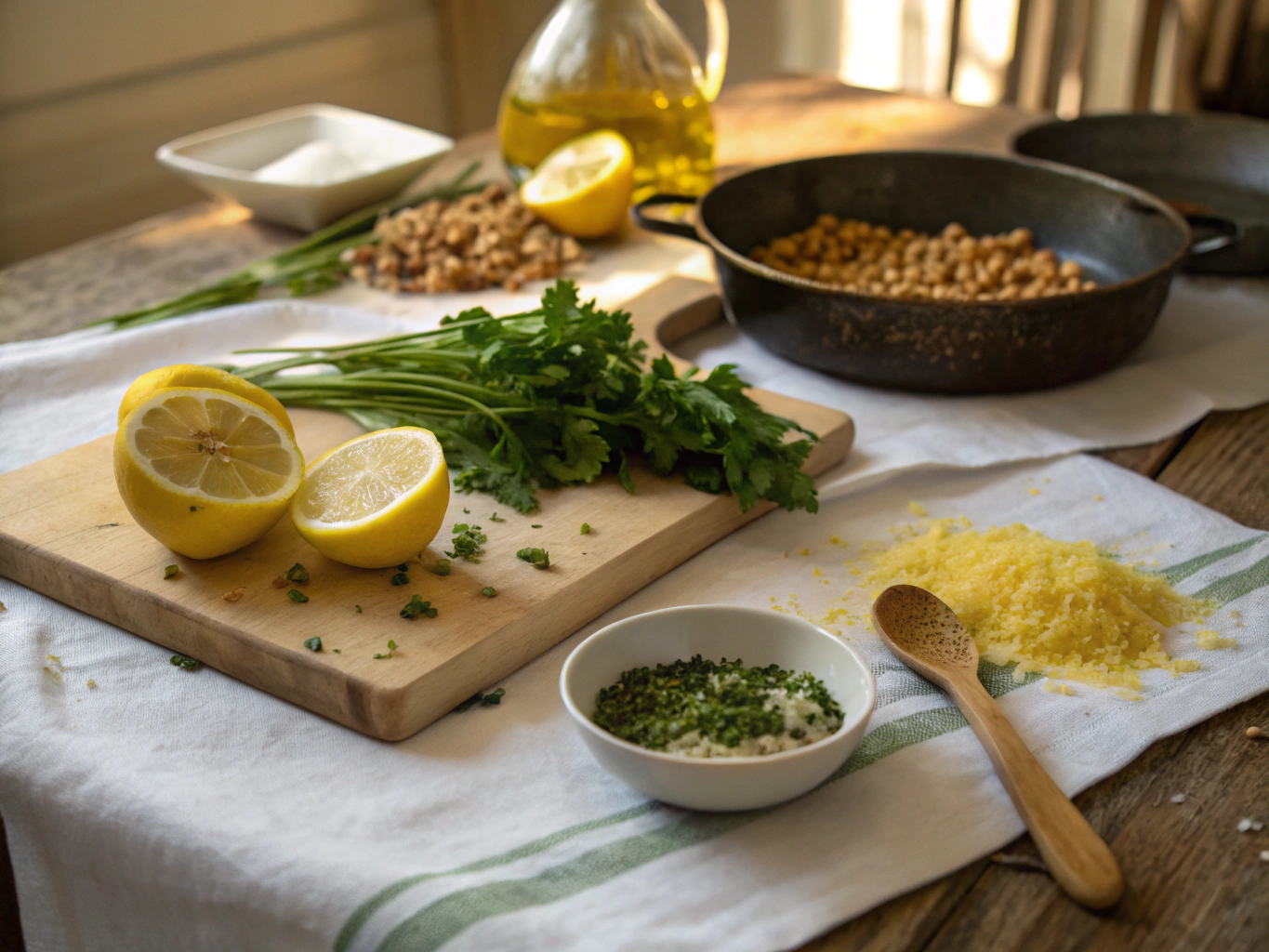
Making your own low FODMAP salad dressings opens the door to endless flavor possibilities. You can tailor ingredients to your taste, control sodium and oil content, and ensure absolute freshness. Typical homemade recipes use safe ingredients like garlic-infused oil (which is low FODMAP), lemon juice, vinegar, herbs, and mustard to create vibrant dressings without risking digestive upset.
Homemade dressings also allow you to experiment with textures and flavors, whether you prefer a creamy tahini base or a tangy balsamic vinaigrette. This flexibility can keep your salads exciting and prevent dietary boredom.
Challenges of Homemade Dressings
However, homemade dressings require time, effort, and a certain level of ingredient knowledge to ensure they remain low FODMAP. Missteps in ingredient selection—like adding onion powder or honey—can inadvertently trigger symptoms. Additionally, homemade dressings have a shorter shelf life and need to be consumed relatively quickly.
Making the Best Choice for You
The decision between store-bought and homemade low FODMAP salad dressings ultimately depends on your lifestyle, taste preferences, and dietary needs. If convenience and consistency are top priorities, trusted brands like Gourmend offer a delicious and safe option. On the other hand, if you enjoy cooking and crave customization, making your own dressing can be a rewarding way to keep your diet vibrant and satisfying.
Whichever route you choose, keeping an eye on ingredient lists and sticking to certified low FODMAP products or trusted recipes will help you enjoy salads that support your digestive health without sacrificing flavor. To experience a reliable and tasty store-bought option, don’t hesitate to taste the difference with Gourmend Foods’s low fodmap salad dressing and see how easy delicious, gut-friendly eating can be.
Leave a Reply